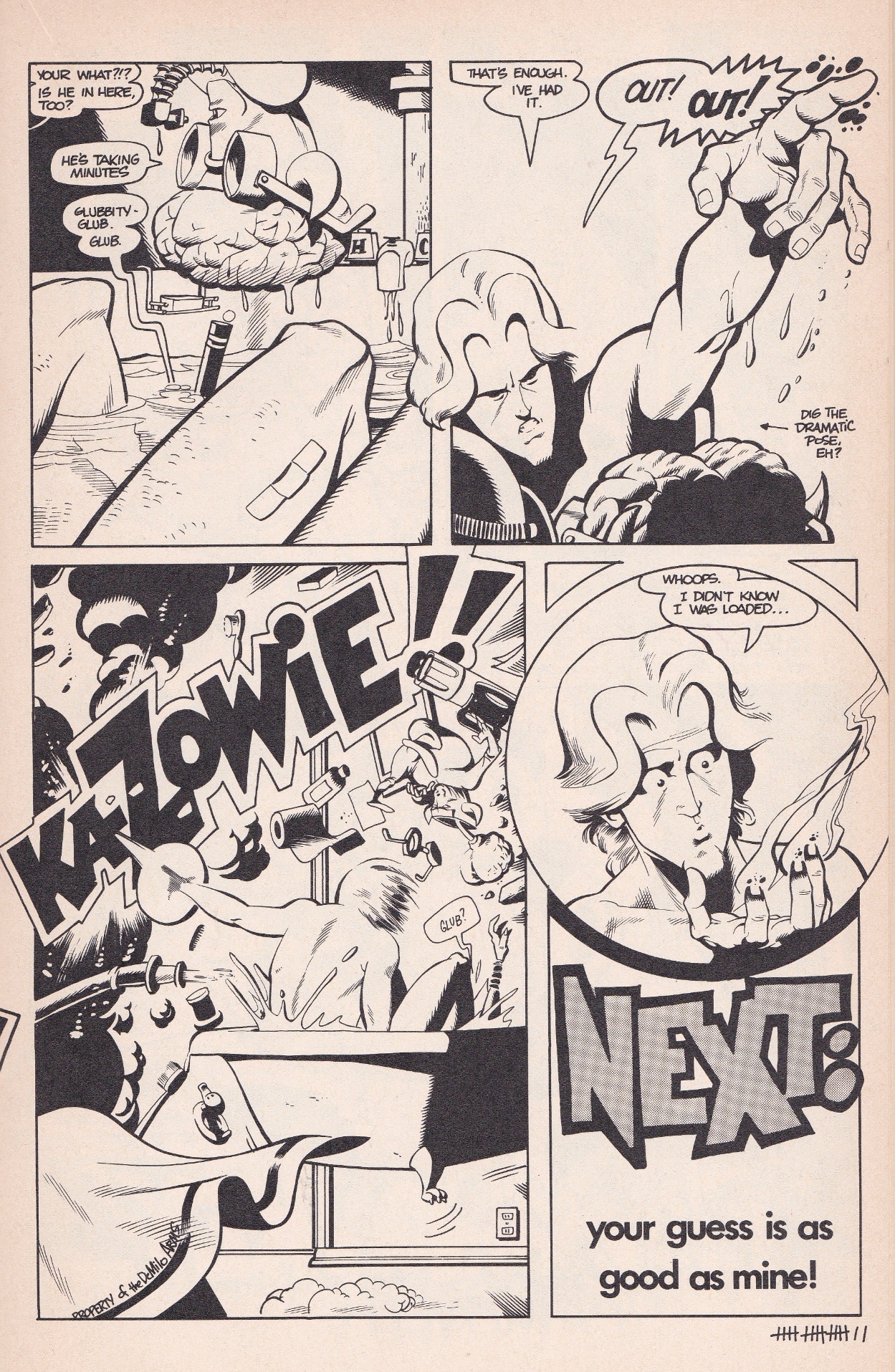
STIG’S INFERNO

STIG’S INFERNO

“I fell in love with them [Dante Aligheri’s, The Divine Comedy] as stories. It took a bit to get past the language translations, but for a year or so, I was reading different versions, off and on, as my reading on subways and  buses, getting to and from school.”                                                                                                                              Back Issue, 21, March 2007: 71-76.

According to Ty, “Stig’s Inferno” based on The Divine Comedy by Dante Aligheri which he had read, was created by himself and Klaus Schönefeld his roommate. They were both attending the Ontario College of Art and Design. They sketched out plots and character designs. At that time, it was conceived as a cartoon strip for their school newspaper but never reached publication. They both moved on to other things. Sometime later, Bill Marks was visiting Ty looking for ideas his company Vortex Comics Inc. could publish. He saw the sketches of “Stig” and thought this was an idea he could use. Ty talked it over with Klaus and although Klaus could not participate as he had an active career in commercial art, Ty resurrected it and added it to the Vortex line of periodicals. The first five issues were published by Vortex. This arrangement ended in 1986 when Vortex reduced operations. The following year in January it reappeared under the Eclipse imprint although it appears that it was a co-production between Eclipse and Ty. It ended after two issues.

Stig’s Inferno gives us the clearest glimpse of Ty the artist. His work on Batman and other corporate titles shows us his pictorial capabilities but “Stig” reveals what he could do as a creator, his preferred subject matter, storytelling abilities, imagination and absurdist sense of humour. “Stig” is about as far as one can get from the masterful in control character that one sees in so many cartoon stories. At the same time, he is not a stumble bum to be sneered at found in many funny comics. He is very much an everyman trying to make the best of the situation he is in and clearly doesn’t understand. Ty’s storytelling is more complex than one usually finds. One can’t help but admire his choice of developing three parallel narrative lines, one centred on “Stig”, another on his girlfriend “Beatrice” and a third on “The Director” aka Satan, and his ability to handle them. He is also innovative. Twice, faced with the need to acquaint a reader with preceding episodes he likely had not read, Ty devises a story with a main character “Enoch” which surrounds his synopses. Ty’s absurdist sense of humour is clearly at play here. Dante’s Divine Comedy is about as grim as one can get. In Ty’s hands Hell, Hades or the “Inferno” is a place rife with incompetence and with a leader that is to put it mildly less than commanding. This is not to suggest that Ty is mocking Divine Comedy but rather he has taken a part of it and shaped it to his own vision in which the concepts of Hell and Satan are absurd.

As previously stated, Stig’s Inferno gets its inspiration from The Divine Comedy a narrative poem by 14th century Italian writer Dante Aligheri or more specifically from the first part of the poem called “Inferno”. Both narratives are a journey through Hell. Many of the characters, or at least the character’s names are common to both narratives. Ty makes no secret of the connection between the “Inferno” and his creation in fact he often brings it to the forefront. But the differences between the two could not be more extreme. Whereas Dante portrays himself as a visitor and observer being guided through Hell by the Roman poet Virgil, Ty has created a character “Stig” who was killed by a falling piano lid and is therefore a shade wandering through Hell wondering where he is. Dante’s poem is a cautionary tale warning of the woe and misery that awaits those who act evilly. Ty’s character is in Hell for no particular reason other than he’s dead. Dante’s Hell itself is terrifying. Ty’s Hell is laughable reflecting the many of the absurdities of our own everyday behaviour. Satan with his round face and knoblike horns is less ominous and more like a petulant child. Ty retains character’s names from the Inferno but again where Dante’s “Beatrice” is an allegorical figure for “Divine Love”, in Ty’s version she is “Stig’s” girlfriend, where Virgil, is the Roman poet who guides Dante through Inferno in Ty’s version “Virgil” is a demon condemned to Hell’s dungeons for writing bad poetry. Ty himself dismisses any connection between this “Virgil” and Dante’s Virgil by having “Beatrice” exclaim that this “Virgil” is not anything like the handsome Roman poet who wrote Aeneid. But the largest difference is that Dante’s poem has been described as an allegorical journey toward God. Although Ty’s narrative is unfinished, it appears that “Stig” is journeying towards replacing Satan as Ruler of Hades, with as Ty adds all of its administrative headaches. His humour comes mainly from his juxtaposition of visually grotesque monsters with their conversation and behaviour that runs from mundane to absurd. Much of this behaviour reflects without comment Ty’s observations everyday life. Ty the narrator is also clearly visible in this story. He inserts asides directed at the reader imagining replies that don’t agree with him and making comments about them or he jokingly tells the reader about his cartooning decisions. There’s a sense of enjoyment in Ty’s telling of this tale which makes it a delight to read.

Synopsis:

The first issue opens with “Stig” taking his girlfriend “Beatrice” to the house he built on the top of a mountain remote from any settlement. The house is haunted by disembodied voices and a “Demonic Netherworld Wretched Spirit Talisman” that appeared after “Stig” built the house and cannot be removed or destroyed. Upon playing his grand piano for “Beatrice”, “Stig” discovers in it voices. He attempts to evict them and when he’s leaning into the piano the voices bring the lid down on his head accidently killing him. “Stig” finds himself in an unfamiliar landscape wearing only his shirt and tie. Our hero does not know he’s dead and will not realize it for the rest of the serial. In a first acknowledgement to his source Ty has “Stig” observe painted on a rock “Canto 2”. Dante divided his narrative into Cantos. At this point Ty begins a second story line involving “Beatrice” The scene shifts back to “Stig’s” house which is now occupied by the police called by “Beatrice”. They decide the Piano is a prime suspect in “Stig’s” alleged murder and plan to take it to the station for questioning. This requires taking the piano out by helicopter which requires blowing the roof off the house. Another scene shift in which “Stig” is being observed on a monitor by two individuals shown only as two hands exchanging popcorn. A third story line has begun.

Issue two uses a different structure, “Stig’s” story is embedded within “Secret Tales From The Chamber of Scares”. This bookend structure appears to have been introduced later. It opens with a top hatted creepy character “Enoch” keeper of the “Chamber of Scares” attempting to frighten two young people with a scary story which turns out to be “Stig” in the inferno. “Stig’s” story resumes. The two disembodied voices are still with him. When he asks them how he can get back to his house, they decide it’s time to leave. He chases them ignoring the signs of cliff ahead and runs off the cliff. As he plunges downward, “Enoch” uses the falling time to give a short recap of issue one. The recap ends and “Stig” hits the bottom of the cliff next to an escalator. Still very much unaware that he’s dead and thinking the escalator leads to a basement clothing department where he can buy a pair of pants and shoes he starts down. During the long descent with the basement department still not in sight, the escalator breaks down. “Stig” shouts for repairs which brings the foreman “Cagnazzo” and his helper “Scarmiglione”. In Dante’s inferno these two demons inhabit the Eighth Ring and torment fraudsters, and corrupt politicians. In “Stig’s” inferno they are two repairmen continually bickering with each other. “Cagnazzo” won’t do any lifting because he has lumbago, and he complains that “Scarmiglione” has nicer wings than him. The story switches to “Beatrice” and the police in the house on the peak of the mountain. An explosion demolishes the roof of the house. The helicopter flies away with the piano. The house tumbles from its mountain perch. Another switch, this time to a “…foul room in a putrid tower overlooking the repulsive marsh of Styx”. We get our first complete look at “The Director” and his assistant “Bob”. They are talking about the upcoming party for Attila The Hun. “The Director” frets that he hasn’t bought a gift for Attila. He leaves with instructions for “Bob” to turn up the heat in the sixth ring. He heard a giggle there. He then settles down to watching “Stig” and the two repair demons on his monitor. This brings us back to the demons repairing the escalator. “Cagnazzo” grouses that “Stig” has been given a shirt and tie while he hasn’t, another example he isn’t given the respect he deserves. Finished repairs, the demons decide to take “Stig” to “The Director” since he’s not supposed to be on the escalator. They argue which of them is going to carry “Stig”. Meanwhile, “Stig” still unaware he’s dead thinks he’s on a movie set and the two demons are costumed actors. The demons continue to squabble. “Cagnazzo’s” sense of being underappreciated increases till he quits his job as foreman and drops “Stig” who plunges into a polluted river where tentacles grab him by the leg and pull him down. “Stig” thinks he must be in a Spielberg movie. “Enoch” reappears to tell us that the story will be continued in the next issue. “That’s right Fear Fans. It’s one of the true horrors of the Comics World … A Story That’s … To Be Continued!!” But this issue does not end there. Instead, there’s an argument between “Enoch” and his young listeners who complain the story wasn’t scary at all. In response “Enoch” tells an unrelated backup story called “The Plasma Monkeys of Zaton IV” penciled by Anthony van Brugger which we need not go into here. This story doesn’t satisfy his young audience either, but all is not lost when he finds what really scares his young audience is growing up.

The cover of issue three is a tip of the hat by Ty to the foremost illustrator of Divine Comedy the engraver Gustave Doré. The bookends are gone, and it opens with “Stig” flying through the air apologizing to the water demon “Buer” for escaping and to “Scarmiglione” for nearly colliding with him. “Stig” falls back into the water and calls for a time out. In the conversation that follows “Stig” informs “Buer” that people don’t like to be attacked by underwater slim creatures to which “Buer” protests that’s his job. However, he will reconsider and try to reform. “Stig” mentions that he wants to get back to “Beatrice”. The story switches to “Beatrice” and the police officers at the bottom of the cliff amid the wreckage of the house. The police investigate their surroundings and come across a doorway with the overhead inscription which ends: “Abandon all hope ye who enter here”. A Mounted Policeman with a Canadian Flag in his Stetson  remembers that in Dante’s Divine Comedy the inscription was over the entrance to Hell. “Beatrice” realizes they’re dead. The scene switches back to “Stig” and “Buer” swimming toward a beach. “Buer” suddenly realizes that “Stig” doesn’t know he’s dead and is about to tell him when he sees two tasty shades and unable to control his hunger swims off after them. “Stig” meanwhile lands on the beach. The scene switches to “The Director’s” residence where he is getting ready for the party. An argument concerning the hat he’s decided to wear occurs between him and his female companion, “Helene”. He loses. Back to the beach where surfers and other beach types are waiting eagerly for “Charon” to arrive. “Charon” in Divine Comedy transports souls across the river Acheron to the first circle of Hell. In contrast here, they are eagerly awaiting “Charon”. They get upset with “Stig” They think he has an attitude problem when he says he wants to go home. The scene ends with one of the party excitedly shouting “Caron’s finally here! He’s finally here!”  One final switch to a scene in a graveyard where two guys are looking for “Enoch” and his two listeners. They come across “Stig’s” gravestone but of course they’ve never heard of him and he means nothing to them.

Issue 4 opens with “Charon” arriving and telling the eager crowd to get back so that he can dock his power boat. Clearly, he’s tired of this job and wants to retire probably because the beach “shades” repeat everything he says. Although he doesn’t have “coin”, “Stig” is hauled on board along with the other shades and they set off for the other side. “Stig” continues to search his pocket for “coin” and finds a bottle of visine which he thinks will be good for “Charon’s” eyes which look enflamed. “Charon” is shocked. “Visine?!? The legends spoke of a shade bearing visine but I never believed it possible!” He grabs the bottle, drinks it and collapses overboard. The shades not knowing what to do follow him overboard. “Stig” is left alone on the drifting boat. To start the boat, he randomly pushes a button that is clearly labelled “Don’t Push” and the boat rockets off into the air. The story shifts to “Beatrice”, “Detective Murdoch” and the police detachment at the gate to hell. Most of the force does not want to go through the gate and so volunteer to stay behind as a rear guard. Over to “The Director” and “Bob”. There is no chauffer for the car and “Bob is too big to fit behind the wheel. “The Director”, although he finds it undignified, decides to drive to the party. He breaks the speed limit and is stopped by a demon police officer who plays the tough man till he discovers it’s “The Director” he’s giving a ticket to. Back to “Stig” and the flying boat in order that, as Ty remarks, the reader can avoid watching a gory scene in which the demon officer tears his head off to oblige “The Director”. The story jumps to Hell’s gate through which only “Beatrice”, “Detective Murdoch” and “Patrolman Pelligrini” enter. On the other side things aren’t so bad. There’s a discount mall. “Beatrice” insists on entering one of the clothing shops to buy a new outfit for travelling in “The Inferno”. The demon shopkeeper tells “Beatrice” shoplifting is encouraged. The scene ends with the shopkeeper apologizing that the shop is in a mess because of shopping for Attila’s party which brings us to “The Director’s” arrival at the party. Also arriving is “Stig” who crashes the party in his flying boat. Finally, “Stig” and “The Director” and two of the narrative lines meet.

Issue 5 opens with “Stig” on trial before “The Director” on several charges including ruining “The Director’s” party for Attila. The trial is derailed when “Helene” enters asking if Tacos are alright for dinner. “Helene” notices “Stig” with interest. “The Director” is upset that the ominous mood he has created for the trial is now spoiled. “Bob” agrees “It was going awfully well too … real spooky”. “Helene” asks if “Stig” will be staying for dinner. “Stig” interjects that “Actually Tacos sound great …” “The Director” in a sulk dismisses “Stig” to “… somewhere uncomfortable for now until I decide what to do with him.” Stig is put in a cell where he meets “Virgil” a squat demon who was put in the dungeon for writing bad poetry. Meanwhile, “The Director” receives an interesting memo. He is ordered “Hands Off” concerning “Stig”. He is “Not allowed to make him suffer at all …”. It appears that although “The Director” rules “Hades” he is not all powerful. Back in the dungeon “Stig” using “Virgil” makes his escape while “Virgil” who doesn’t want to leave his prison screams to the guards to stop “Stig”. What follows is a discussion between the two guards concerning whether it’s in their job description to intervene and whether they might get a bonus if they do. “Stig” is captured when he runs into one of the guards. They take him back to “The Director”. Ty again draws our attention to Divine Comedy, and Gustave Doré’s illustrations when “The Director” says this “Virgil” can’t be the “Virgil” who “… was this tall Roman guy with striking features and a wonderful complexion … go look in any of Doré’s illustrations.” Back to how to deal with “Stig”. “The Director” or rather “Bob” discovers that among its can’t does the list has overlooked including the “Cavern of a Million Screams”. That is where “The Director” decides to send “Stig”. There is one hitch, he assigns the task of transporting “Stig” to two Palace Guards “Calcabrina” and “Ciriatto” two more demons from Divine Comedy, but who in Ty’s hands have become self-described “frighteningly stupid” individuals. While on the way to the “Chamber of Screams” they forget where they’re supposed to be taking him. “Stig” suggests they take him to a phone. The only phone in Hades is in “The Director’s” Pleasure Spa. They take him there. The story makes a brief switch to “Beatrice”, “Detective Murdock” and “Patrolman Pelligrini” probably to remind us they are still in the story. Back to “Stig”, in the Pleasure Spa he is discovered by “Helene” who drags him off. Switch to “The Director” questioning “Calcabrina” and “Ciriatto” who assure him “Stig” is suffering in the “Chamber of Screams”. “The Director” then orders them to take him to his Pleasure Place where he can watch “Stig” in agony on his video. “Calcabrina” and “Ciriatto” know they’re in trouble. Back to “Stig”, after excusing himself from the citizens of the Pleasure Spa searches for a way out, wandering through labyrinthine hallways till he stumbles into a room with a throne. He settles down on the throne for a sleep. Switch to “Calcabrina” and “Ciriatto” in the guard room. A bell signals that someone is on the throne. The reaction of the two guards reveals that they had thrown “The Director” in the dungeon and now they think he has escaped and is on the throne. They rush to the throne room and discover “Stig” is on the throne. They assume he is the new ruler of “The Inferno”.

Between issues 5 and 6 of Stig’s Inferno the periodical was shifted from Vortex Comics Inc. to a co-production between Eclipse Comics and Ty. Issue 6 is a synopsis of the five Vortex issues. In it we learn specifically that “Calcabrina” and “Ciriatto” deposited “The Director” in “The Chamber of Screams”.

With issue 7, the story resumes. The dimwitted “Calcabrina” and “Ciriatto” wake up Stig and insist he is the Dark Lord (“The Director”) because he sat/slept on the throne without being harmed. “Stig” insists he is not a Dark Lord. He doesn’t even tan well. They insist he is because only the Dark Lord (“The Director”) can sit on the throne without being harmed by the curse he placed on it. In order to settle this argument “Stig” orders “Ciriatto” to sit on the throne. “Ciriatto” turns into a bunny rabbit. “Stig” apologizes for ordering him to sit on the throne, but “Ciriatto” is not mollified. He now insists that “Stig” is not a Dark Lord that the throne’s curse is simply malfunctioning maybe a wire is loose. “Stig” gives the throne a “hefty kick” to fix it. This sets off another “ZOT” and the story switches to “Beatrice”, “Murdock” and “Pelligrini” watching an object falling toward them. The fallen object is “Virgil”. They can’t believe this is the Roman poet Virgil. “Virgil” can’t believe that if Virgil was Roman he could possibly write poetry. He recites one of his poems. “Beatrice” concludes he’s not the Roman Virgil . Back at “Helene’s” apartment door, “Calcabrina” and “Ciriatto” deliver “Stig” because they don’t know what to do with him and since “Helene” is the Dark Consort she might. First, she learns the two don’t know where they put Satan– she’s happy to know “The Director” is out of the way. Then she learns “Stig” sat on the throne without ill effect to which she reacts “This means something” and Ty adds a note to the panel, “Plot Twist”. A scene switch, to the Chamber of Screams where “The Director” has been imprisoned with “Leviathan” whom he imprisoned earlier because “Leviathan” spoiled the ending of the television show Clue for him. Leviathan is so powerful “The Director” built an especially powerful cell to contain him. Is the cell strong enough to withstand “The Director’s” attempt to escape? After a dramatic buildup of power in his arm “The Director” blasts the door. It doesn’t budge and the guard from the other side says “Don’t try that again buddy!!! That completely frazzled reception out here. You make me miss Judge Wopner and your butt is mine, pal.” We flip back to “Stig” and “Helene”. It’s again emphasized that “Stig” doesn’t realize he’s dead and thinks he’s with some kind of organization where the individuals dress in elaborate costumes. “Helene” insists he has to assume the role of Ruler of the Underworld. “Stig” refuses until “Helene” describes for him what’s likely to happen to him if “The Director” breaks out of prison. “Stig” accepts the new role and is immediately pestered by demons wanting him to take care of administrative and maintenance problems. He escapes into a bathroom for a nice warm bath only to be disturbed by another demon administrator reporting maintenance problems on the fourth and seventh rings. Stig loses his temper and from his pointing fingers come a burst of power. “Stig” is shocked.

Issue 7 is the last issue of Stig’s Inferno. It is clear Ty was nowhere near the conclusion of his story. When will Stig finally discover he’s dead? When will “Stig” and “Beatrice” finally encounter each other? Is “Stig” really the new Ruler of Hell? Who was the Power behind the memo telling “The Director” what he can and can’t do? Does this Power want a new Ruler of Hell? When will “Stig” and “The Director” confront each other or is “The Director” permanently consigned to the “Chamber of Screams”. There were enough possibilities to have kept this series going for a very long time after its premature ending.

PERIODICAL GRAPHIC:                                                                                                    Published by Vortex Comics Inc. Colour cover. Except where noted. Black & white content.

Content serial & Cover front:

Stig’s Inferno …: “…”. Car., Ty Templeton unless otherwise noted: …. Covers by Ty unless otherwise noted.
…’ 1-1 1984: “Stig’s Inferno”: 1-13. Cover by Paul Rivoche

…, 1-2, 1984: “Stig’s Inferno”. …: 1-13. Cover assist., Klaus Schonefeld.

…, 1-3, 1985: “Stig’s Inferno”. …: 1-15. Cover: a Gustave Doré etching from Dante’s Inferno. Black & white.

…, 1-4, 1985: “Stig’s Inferno”. …: 1-18.                                                                                                                                     “when Stig was a boy”. Co-car., Ty Templeton & Anthony van Bruggen: 19-21.

…, 1-5, 1986: “Stig’s Inferno”. …: 3-21.

PERIODICAL GRAPHIC:                                                                                                    Published by Eclipse Comics Inc. Colour cover. Black & white content.

Stig’s Inferno …: “…”. Car., Ty Templeton: …. Covers by Ty. Published by Colour cover. Black & white content.
…, 6, January 1987: “Stig’s Inferno”. …: 1-14. …7, March 1987: “Stig’s Inferno”. …: 1-15, 18-19.

SOURCE:

 Article periodical:

Back Issue, 21, March 2007:  “Stig’s Inferno or… Ty Templeton Takes You to Hell”. Writ., Brian K. Morris: 71-76.

GALLERY:
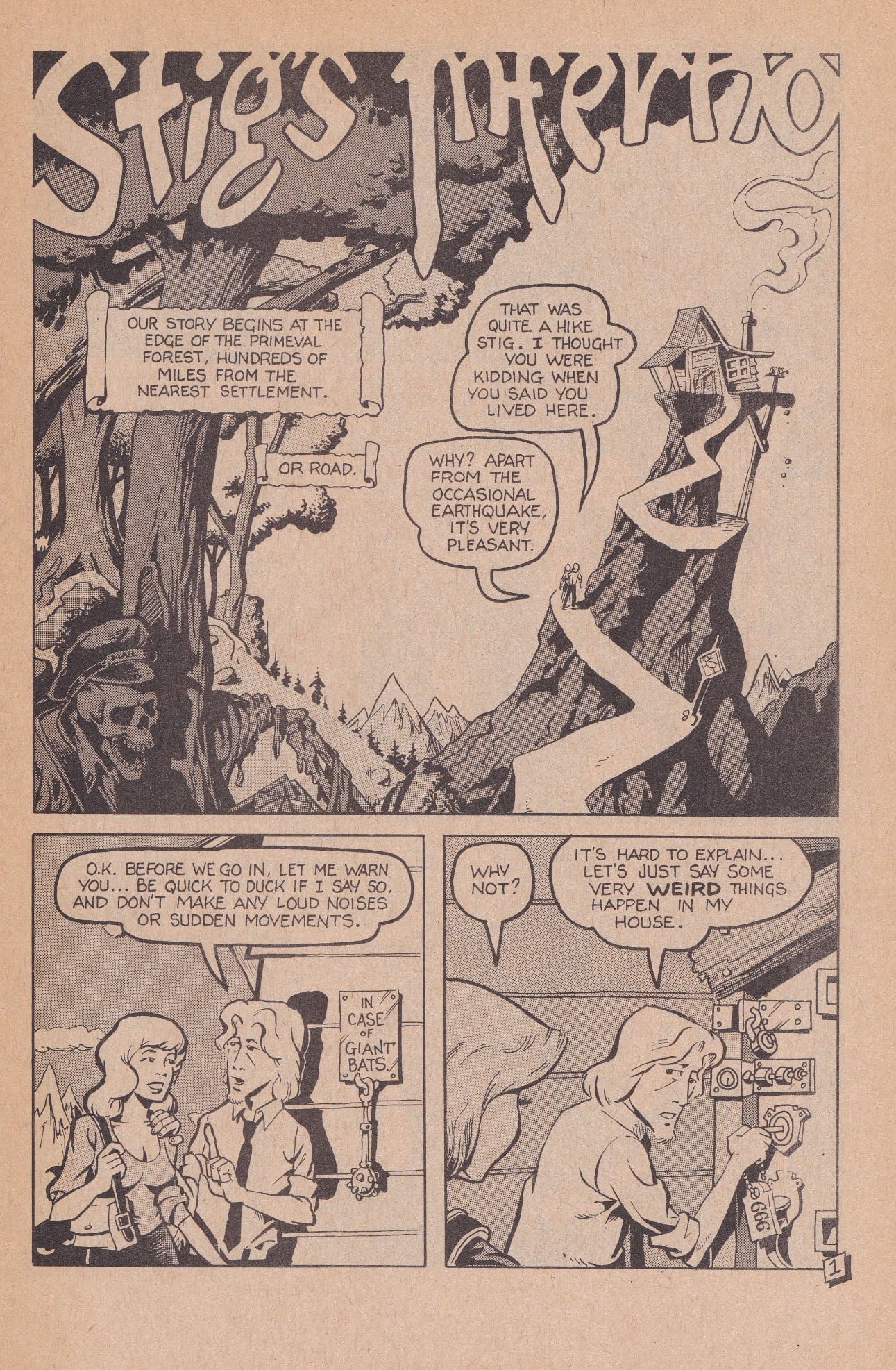
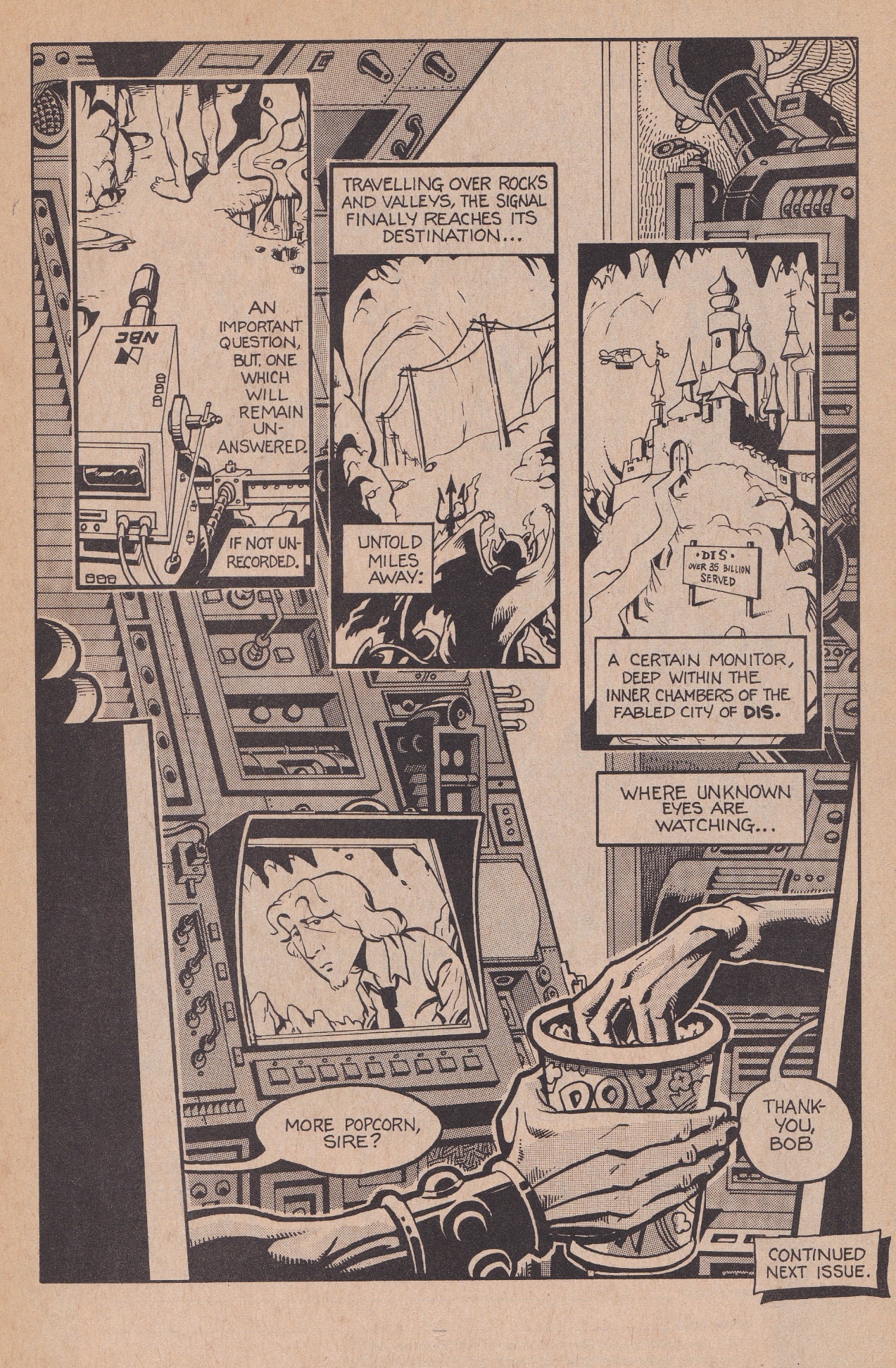
A comic strip with a cartoon AI-generated content may be incorrect.Stig’s Inferno, 1-1 1984: 1.

A comic strip with a cartoon AI-generated content may be incorrect.Stig’s Inferno, 1-1 1984: 13.

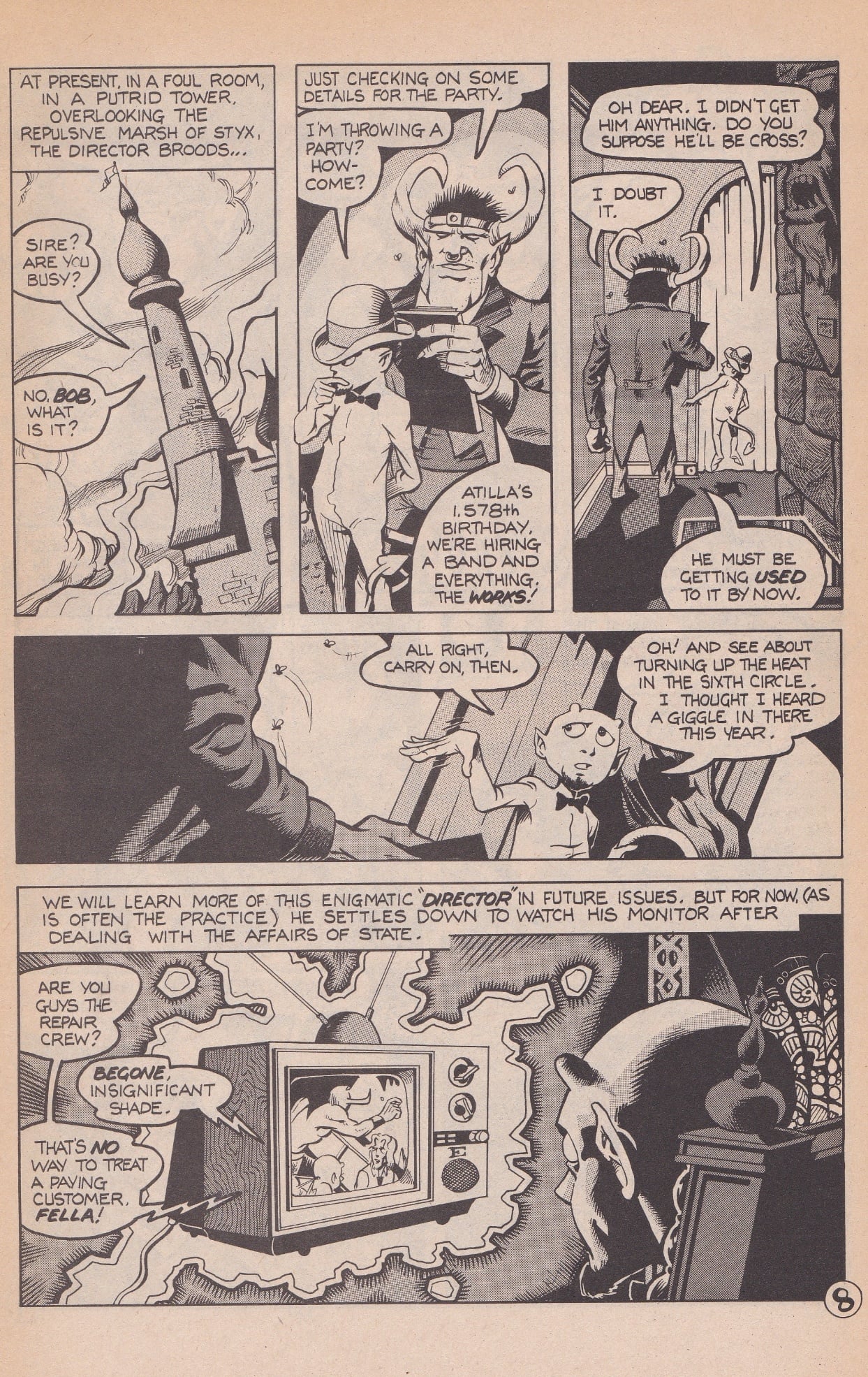
A comic strip with a cartoon AI-generated content may be incorrect.Stig’s Inferno, 1-2 1984: 9.

A comic page with text and images AI-generated content may be incorrect.Stig’s Inferno, 1-2 1984: 21.

A comic page with a person in top hat AI-generated content may be incorrect.Stig’s Inferno, 1-2 1984: 22.

A cover of a book AI-generated content may be incorrect.Stig’s Inferno, 1-3 1985: Front cover. An engraving by Gustave Doré.

A comic strip with text and images AI-generated content may be incorrect.Stig’s Inferno, 1-3 1985: 1.

A comic page with a person in a hat AI-generated content may be incorrect.Stig’s Inferno, 1-5, 1986: 3.

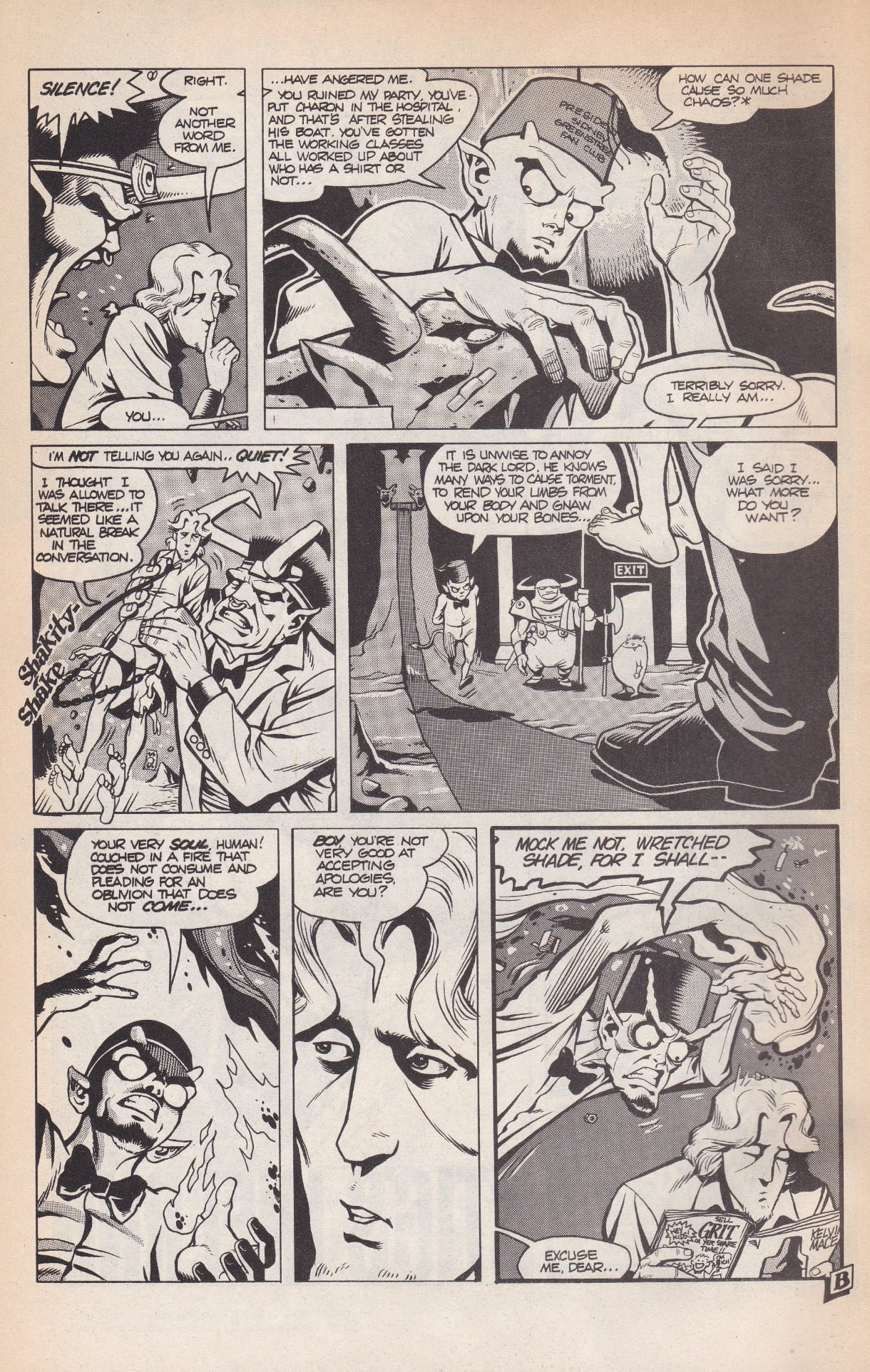
A comic page with a cartoon of a person AI-generated content may be incorrect.Stig’s Inferno, 1-5, 1986:4. Notice Stig is reading Kevin Mace the other character Ty was involved with.

A comic page with a person and person AI-generated content may be incorrect.Stig’s Inferno, 1-5, 1986:5.

A comic page with a comic strip AI-generated content may be incorrect.Stig’s Inferno, 1-5, 1986: 23.

A comic book cover with a person holding a staff AI-generated content may be incorrect.Stig’s Inferno, 1-7, March 1987: Front cover.
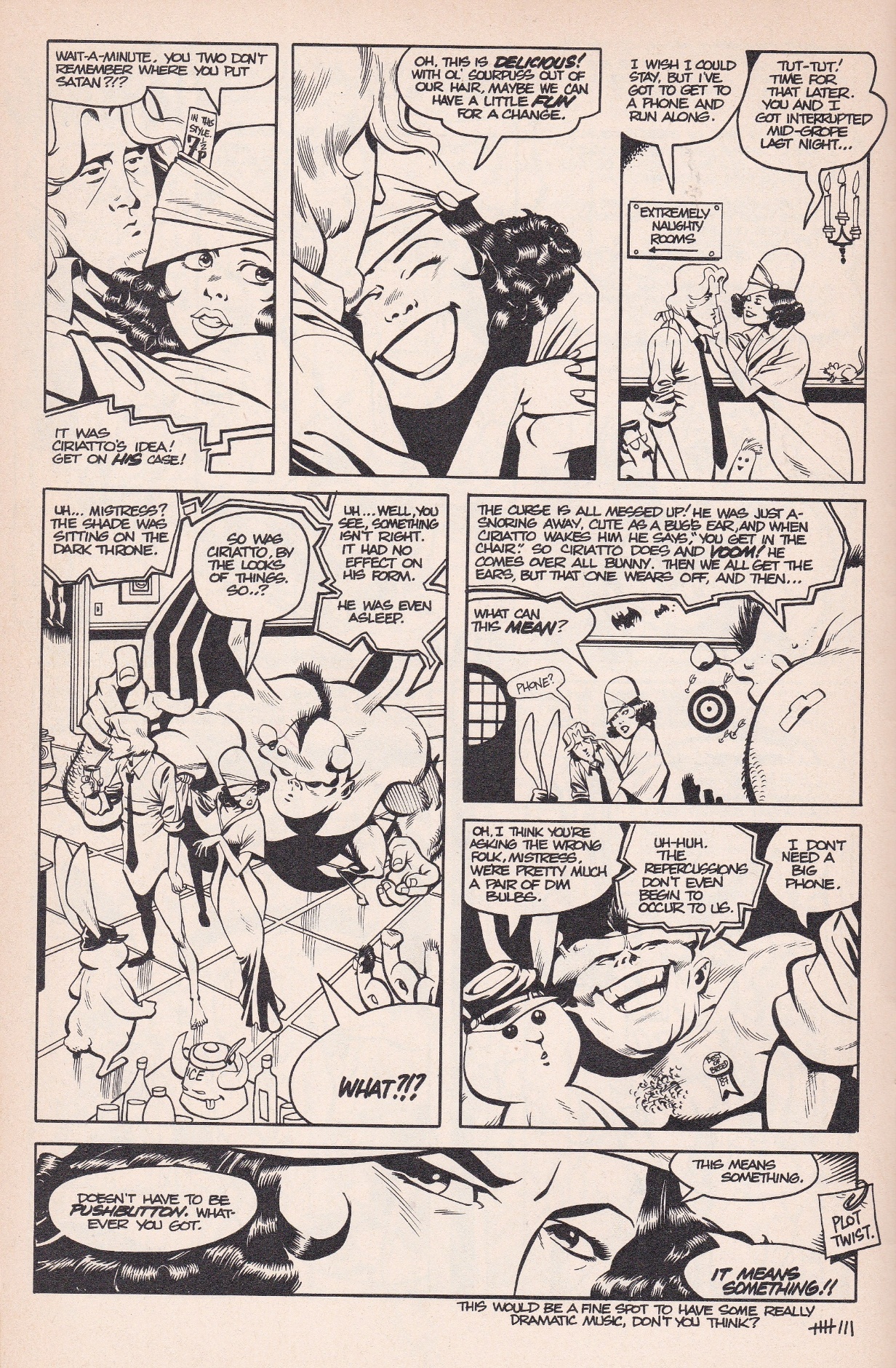
A comic strip with a cartoon AI-generated content may be incorrect.Stig’s Inferno, 1-7, March 1987: 8. Calcabrina and Ciriatto the two self admitted dim witted Palace guards bring Stig to Helene. Note Ty’s comment to the reader and the page numbering system.
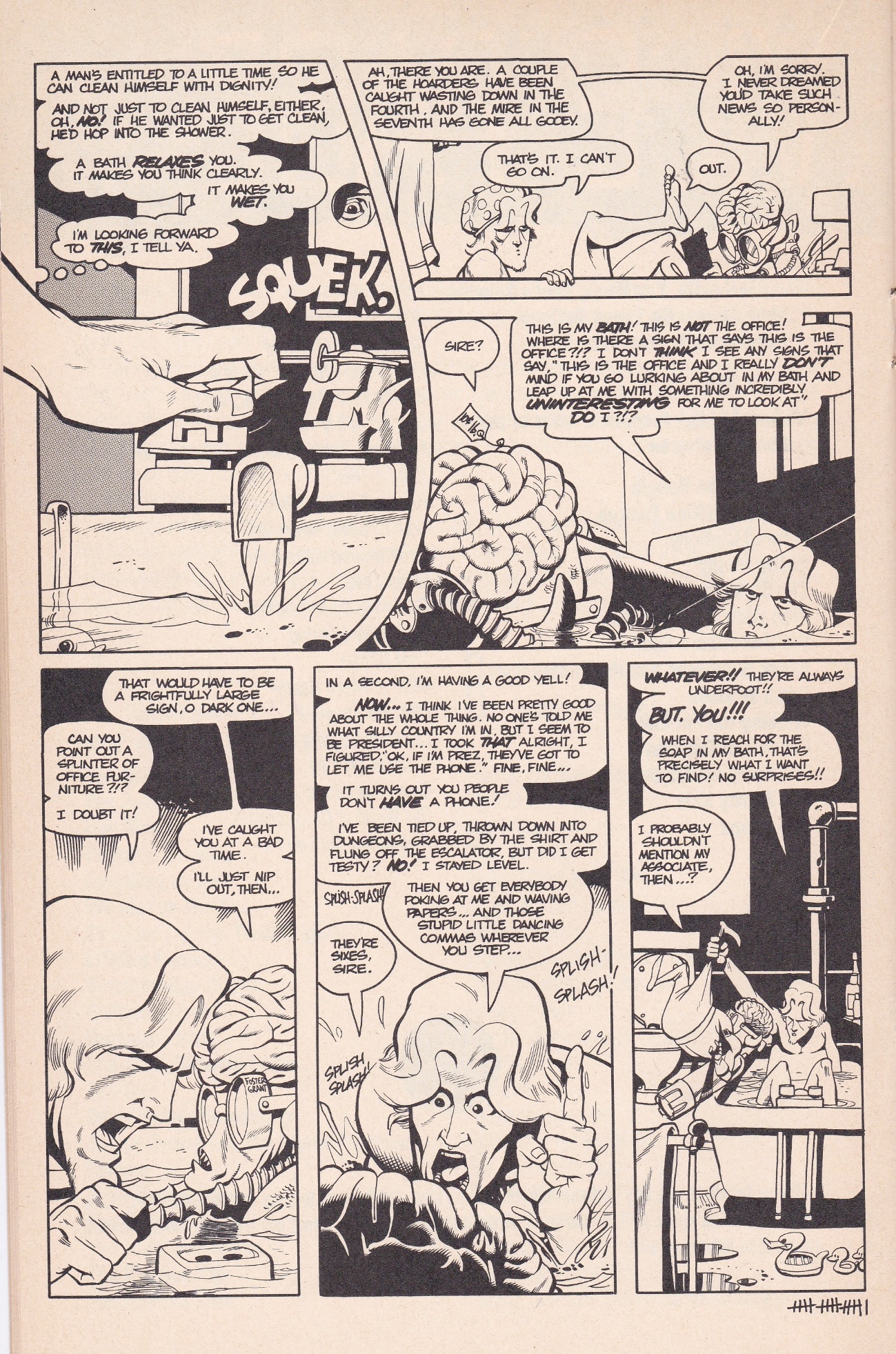
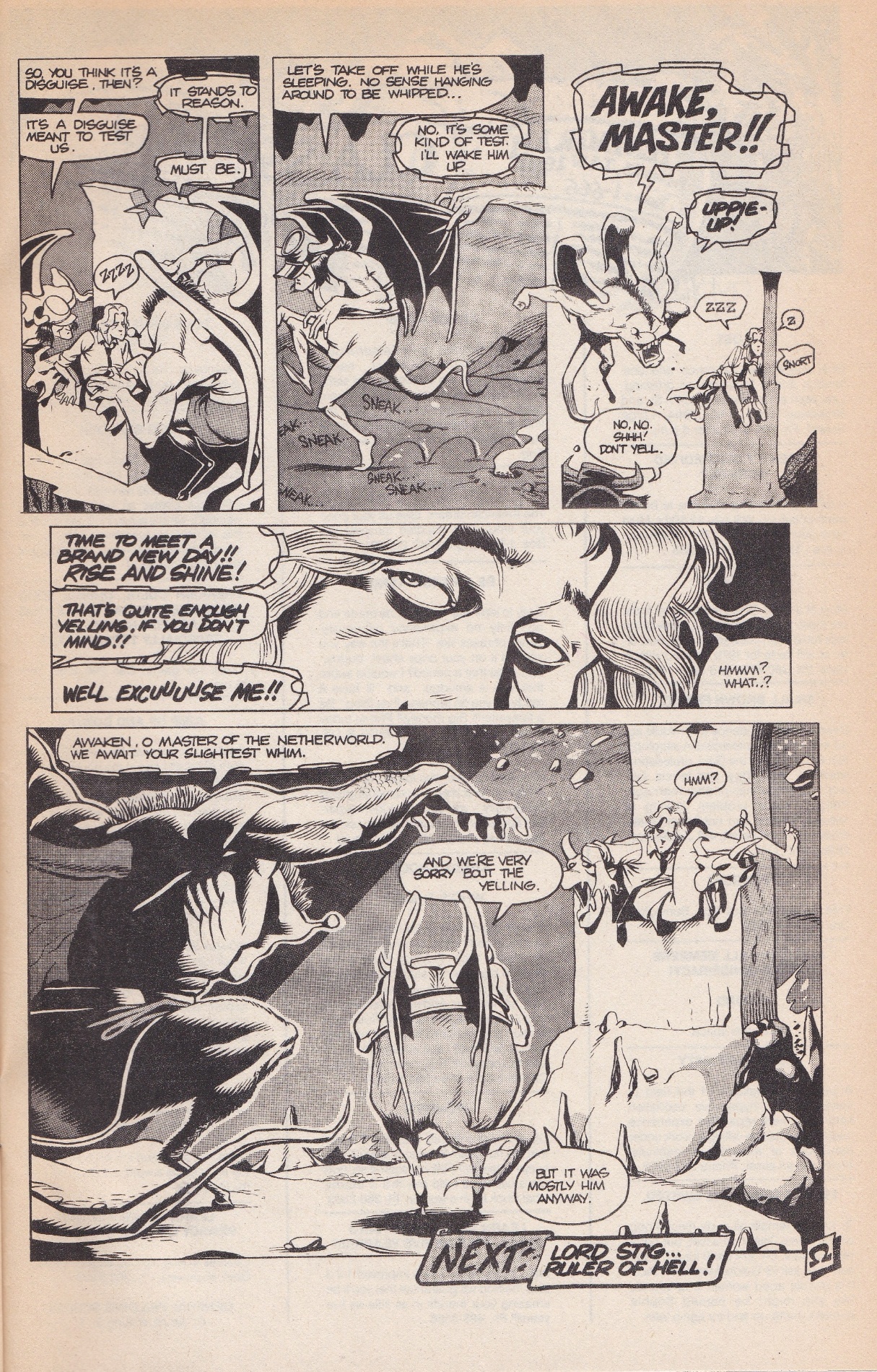
A comic page with comic text AI-generated content may be incorrect.Stig’s Inferno, 1-7, March 1987: 18.

A comic page with comic text and images AI-generated content may be incorrect.Stig’s Inferno, 1-7, March 1987: 19. Another example of Ty joking addressing the reader.

STEWART Cameron

STEWART Cameron

WORK:

CARTOONIST:

BOOK GRAPHIC:

Content novel & Cover book front & back:

Sin Titulo. Dark Horse Books, Sept. 2013.

PERIODICAL GRAPHIC:

Cover front:

Captain Canuck, 1, May 2015: Cover C.

STEVEN STORMS

STEVEN STORMS

This crime serial set in Africa appeared in Active Comics published by Bell Features..

MEDIUM:

PERIODICAL GRAHPHIC ANTHOLOGY:

Content serial:

Active Comics, 28, no date: “Steven Storms.” Car., Fred Kelly. 18-24.

STERLING G. & S.

STERLING Geoffrey & Scott

Creators of “Captain Newfoundland” this father and son team (the father Geoffrey being a media mogul in the Maritimes) had at point of Young’s writing sunk $500,000 into the project. The artists were American: one being Dave Bulanadi who has worked for Marvel.

A Captain Newfoundland comic strip appeared on page 1 or 2 per week in the Newfoundland Herald. A 120 page saddle stitched book of the same name was produced. Atlantis a novella which added Captain Canada followed.

WORK:

CO-WRITERS (father & son):

BOOK GRAPHIC:

Content novella:

Atlantis, 1-1. Illus., Danny Bulanadi. Apache Communications International (Canada), no date.

BOOK GRAPHIC COLLECTION:

Content strip cartoon:

Captain Newfoundland: Special Collector’s Edition No. 1, 1981, Illus., Danny Bulanadi. St. John’s: Sunday Herald Ltd.

SOURCE:

Article book:

“Review.” Writ., Catherine Yronwode, Buyer’s Guide, June 1981.

Article newspaper:

“He’s Better Than Screech.” Writ., Peter Young. Toronto Star, 16, Nov.1981:36.

Internet:

“Geoff Stirling, TV Man and Cosmic Gyry, Was the Weirdest Man Who Ever Lived (in Newfoundland).” Writ., Drew Brown. www.vice.com.

STEPHENS Jay

STEPHENS Jason (Jay)

C:\Users\Robert\Documents\CARTOONING ILLUSTRATION ANIMATION\IMAGE OF PERSON\S\STEPHENS Jay, Oddville, 1996 _0001.jpg                                        Oddville, Art Ick Productions , July1996.

Born 22 March 1971 in Toronto and currently living in Guelph (2018)

His first published effort was the cartoon strip “Oddville” which appeared in the alternative newspapers, Motive, [Guelph], Voice [Montréal], Nu-City, [Albuquerque], Mad Planet, [New York], and The Stranger [Seattle]. These strips were collected into Oddville: The Complete Strips, published July 1996 by Art Ick Productions, of Guelph. It has since been reprinted by Oni Press and Adhouse Books.

In 1992, a whole new set of his creations appeared in the graphic periodical SIN published by Tragedy Strikes Press. We are introduced to Land of Nod”, “Badman”, “Sinister horde” in addition to an array of quirky other characters and stories. See the GALLERY below. All of these serials and stories were loosely connected. The suggestion was they were all dreams out of the head of Jason. The title of the periodical is a comment on Jason’s playfulness and ambiguity. Does he want us to take the title at face value, although there is little “sin” in the periodical. Is this a play on his signature which is “SIN”. Or, is both the title and his signature taken as suggested in the “Letter Section” from the first three letters of “sincerely” and is a short form for “sincerely Jason”.

With the conclusion of SIN 5, the series was restarted as SIN Comics, now published by Black Eye Productions probably a reconstructed Tragedy Strikes Press. “The Land of Nod” survived into the new periodical but the serials “Badman” and “Sinister horde” were replaced by a single new serial called Tales of Atomic City featuring “Big Bang”. Had Jason tired of them? Were they only exploratory features in the first place? They show neither the accomplishment nor confidence that the new serial shows with its bold lines and sharply contrasting blacks and whites. Were these dropped serials actually some of Jason’s very early efforts gathered into SIN? Is SIN Comics actually a reflection of his then current work?

Perhaps the best application can be found in the evolution of Jason’s use of his own persona in these features. Jason opens SIN, 1, with a page introduction in which his character “Nod” saws open his head to show us what’s inside. What follows is a “Land of Nod” episode. The next episode, introduces us to “Badman” who is Jason in costume. What follows throughout the SIN issues is an ambiguous mixture of autobiography and imagination. Apparently “Badman’s” first cartoon effort “Coxwell the Badly Drawn Ghost” refers to Jason’s own first effort. “Badman” relationship to “Superb Woman” including his confession about being a cartoonist followed by absurd justifications, seems to be an absurdist comment on Jason’s own relationship with the woman he loves and his nervousness about confessing that he’s a cartoonist. Was the wedding gift to “Badman” and “Superb Woman” of “Taboo” a cat, a real wedding gift to Jason and his wife? In the same issue, in the two page episode “The Origin of Nod” Jason returns to his opening concept of an interaction between himself and his character. In the last issue of SIN both Jason and his character “Badman” appear in a final story. Jason the cartoonist bookends the story while his alter ego “Badman” fights Jason’s other cartoon creations.

The SIN series ends and so does “Badman”. In the first issue of SIN Comics, Jason returns to the way he began SIN with a cartoon representation of himself battling his own creations. The two episodes presented are bookends to the stories in which Jason doesn’t appear. In the second issue of SIN Comics, Jason presents himself in a separate story that appears to be autobiographic. For reasons given below SIN Comics was replaced by Atomic City Tales. In this series Jason develops the final incarnation of himself. The cartoon version of himself that appeared in separate stories in SIN Comics is now integrated into the main story “Atomic City Tales featuring Big Bang”.

As stated above, the short lived mutli-serial forty page SIN Comics was replaced by the single storyline twenty-four page Atomic City Tales. In SIN Comics, 2, Spring 1994, we get a glimpse of why this happened. In addition to the SIN Comics , he was still working on the cartoon strip Oddville and had added a full colour serial called “Bug Patrol” for Nickelodeon Magazine. He was writing animated shorts for a children’s sketch comedy show called Squakbox which appeared on YTV a specialty channel owned by Corus Entertainment. He was illustrating covers for The Stranger. The work load was too heavy.

“Jetcat” for Nickelodeon’s KaBlam. He was also the creator behind the animated series, Tutenstein and Secret Saturdays, as well as producing animated features for Squawkbox. He has received two Emmy Awards, been nominated for Eisner Awards several times, Reuben Awards twice and Annie Award once.

Black Eye Productions published Atomic City Tales for three issues. The Kitchen Sink Press published only three issues as it continued its downward spiral.

Jason created “Chick and Dee” which first appeared in chickaDEE, September 1999. and “Xtra-cirricular” for Owl Magazine. He worked on “Chick and Dee” for about four years till the summer of 2003, creating the tone and nearly all of the characters. “Chick and Dee” is still a significant feature in chickaDEE to this day (2019).

From the beginning Jason created communities of characters. Yes DC and Marvel have created “worlds” but in their cases those worlds revolve around a few heroes. In the case of Jason, the “worlds” are true communities in which all characters are given more or less equal time. Sometimes the presumed central characters disappear for a time.

Visually Jay’s strong lines and stark backs and whites with no shading creates a strong visual impact for this serial.

Another Jay creation “Arrowhead” first appeared in True Patriot: All New Canadian Comic Book Adventures in 2013. with a follow up in True Patriot: Heroes Of The Great White North, 2014. Chapterhouse reprinted the first episode in True Patriot Presents, 1, Nov. 2016 with the intention of continuing the series which apparently did continue online but cannot be found. Sometime later, “Arrowhead” was then resurrected for Owl magazine, but the tone was quite different.

He has participated in “The North Wing Project”.

WORK:

CARTOONIST:

BOOK GRAPHIC ANTHOLOGY:

Content serial colour & Cover book front colour:

True Patriot: All New Canadian Comic Book Adventures. Ed., J. Torres. True Patriot Comics, 2013: “Arrowhead in ‘Phase One: Test Flight’”: 57-66.

Content serial colour:

True Patriot: Heroes Of The Great White North. Ed., J. Torres. True Patriot Comix,2014:           “Arrowhead in ‘Phase 1.5’: Dawn of the Biodrones”: 8-10.                                                 “Arrowhead in ‘Phase 2’: Dawn of the Biodrones”: 113-122

BOOK GRAPHIC COLLECTION:

Content serial black & white & Cover book front & back colour:

The Land Of Nod Treasury. Black Eye Productions, Nov. 1994. A collection from SIN and SIN Comics.

Content story colour  & Cover book front colour:

 Dejects. Black Eye Books, 2019.

Content story colour & Cover book front, dustjacket wraparound colour:

Dwellings. Car., Jay Stephens. 2024. Signed & dated. Includes 3D glasses for 3D story “Journey into Fear”. See Little Horror Flicks below.

Jetcat & Friends. Black Eye Books, 2021. The complete “Jetcat” stories in colour. Includes sheet of character stickers.

Content collection cartoon panel colour & Cover book front colour:

Little Horror Flicks. Car., Jay Stephens. No date. This booklet and 6 colour postcards and a sticker were bonuses given to those participating in crowd funding for the publishing of Dwellings.

Content strip cartoon colour & Cover book front & back colour:

Welcome to Oddville. Adhouse Books, May 2011. Complete strips from Brand New Planet and the Toronto Star.

Content strip cartoon black & white & Cover book wraparound colour :

Oddville: The Complete Strips. Art Ick Productions, July 1996.

PERIODICAL GRAPHIC:

Content story black & white & Cover front & back colour :

Atomic City Tales, …. Ed., Michael Vrana. Black Eye Productions. Black &white.
1, Summer 1994. 2, Autumn 1994. 3, Spring 1995.

Atomic City Special, 1, Summer 1995. “Night of the Monkey”. Black & white.

Atomic City Tales, …. Kitchen Sink Press. Black & white.
1, 1996. 2, 1996. 3, 1996.

Content story colour & Cover front & back colour : 

Dwellings: Familiar Horror From Within….. Black Eye Books
1, December 2020. 2, June 2021. 3, April, 2022.

PERIODICAL GRAPHIC ANTHOLOGY:

Content serial black & white & Cover front colour:

True Patriot Presents, 1, Nov. 2016 “Arrowhead in ‘Phase One: Test Flight’.” Chapter House Comics. A reprint from True Patriot: All New Canadian Comic Book Adventures.

PERIODICAL GRAPHIC COLLECTION:

Content story black & white & Cover front & back colour:

The Land of Nod, …. Ed., Michael Vrana. Black Eye Productions. Black & white. Size smaller than regular sized magazine (15cmX23cm)
1, March 1996: “Space Ape No. 8”: 1-24. 2, July 1996: “Captain Rightful”: 1-24.

The Land of Nod featuring JetCat, 1, July 1997. Dark Horse Comics: 1-24. Black & white.

SIN,… Editor & Publisher, Michael Vrana. Tragedy Strikes Press. Black & white.
1, June 1992. 2, Aug. 1992. Oct. 1992. 4, Dec. 1992. 5, Feb. 1993.
SIN Comics,… Ed., Michael Vrana. Black Eye Productions. Black & white.
1, Winter 1993 2, Spring 1994. Replaced by Atomic City Tales.

PERIODICAL TEXT & GRAPHIC ANTHOLOGY:

Content:

Serial graphic:

chickaDEE…., “Chick & Dee.” …. Col., Claudia  Dávila. (For issue 22-6, Col., Michael Chow) Batard Press Canada. Colour. .
21-6, Sept., 1999: 4.

21-7, Oct. 1999: 4.

21-8, Nov. 1999: 4.

21-9, Dec. 1999: 2.

22-1, Jan./Feb. 2000: 2.

22-2, Mar. 2000: 4.

22-3, Apr. 2000: 4.

22-4, May 2000: 2.

22-5, Summer 2000:2.

22-6, Sept. 2000: “The Big Race”: 4.

22-7, Oct. 2000: “The Scare”: 4.

22-8, Nov. 2000: “Up And Away”:  4.

chickaDEE…., “Chick & Dee.” …. Batard Press Canada. Colour. .
22-9, Dec. 2000: “DEE’s Masterpiece”: 4.

23-1, Jan./Feb. 2001: “The Dog House”: 4

23-2, Mar. 2001: “Horsing Around”: 4.

23-3, Apr. 2001: “A Gross Nose”: 4.

23-4, May 2001: “Totem Toppers”: 4.

23-5, June 2001: “Lunch Rush”: 4.

23-6, Summer 2001: “Waterpark Fun”: 7-11.                                          “Nature Hike”: 53-59.

23-7, Sept. 2001: “The Big Sale”: 6.

23-8, Oct. 2001: “The Robin Hood Play”: 6.

23-9, Nov. 2001: “The Sailboat Race”: 6.

23-10, Dec. 2001: “ Gift Giving”: 6.

25-6, Summer 2003: “Something Fishy”: 7-13.                                          “Spooky Stories”: 57-61.

Story graphic:

Canadian Notes & Queries,102, Summer 2018: “The North Wing: Selections from the Lost Library of

CanLit Graphic Novels Episode Twenty-Two, Margaret Atwood’s ‘Oryx and Crake’, as adapted by Jay Stephens.” 32-33.

Taddle Creek, XVII-3, 33, Summer 2014: “Toronto Tunnel Monster”: 10-11.

NEWSPAPER:

Brand New Planet [Toronto]. 20 Mar. 2003: “Welcome to… Oddville”: 5.

ILLUSTRATOR:

PERIODICAL TEXT & GRAPHIC ANTHOLOGY :

Content activity:

chickaDEE,…. Batard Press Canada. Colour.
23-3, Apr. 2001: “Make Fake Snot”: 22-23. 23-4, May 2001: “Totem Pole.” 22-23.

Cover front colour:

chickaDEE….. Bayard Press Canada.
22-1, Jan./Feb. 2000.

22-9, Dec. 2000

23-6, Summer 2001

23-9, Nov. 2001

25-6, Summer 2003

Owl, 26-1, Jan/Feb. 2001.

POSTER:

Atomic City Tales Presents Big Bang and the Manic Gang. Signed Sin. Ltd edition. No date. Blackeye Productions.

chickaDEE, 23-4, May 2001: “Snowboarding in Spring”: 16-17.

chickaDEE, 23-9, Nov. 2001: “ Explore the Sea with Chick and Dee” Illus., unidentified: 18-19.

WRITER:

Newspaper:

Brand New Planet [Toronto]. 20 Mar. 2003: So you want to be in the funny papers”: 5.

SOURCE:

Article book:

True Patriot: All New Canadian Comic Book Adventures. Ed., J. Torres. True Patriot Comics, 2013: “About the Creators”: 104.

Oddville: The Complete Strips. Art Ick Productions, July 1996: “Jay Stephens”. “Land of Nod.” The Land Of Nod Treasury Nov. 1994: Cover.

Article Periodical:

chickaDEE, 22-3, Apr. 2000 “Chick & Dee’s Best Buddy.” Car. & Writ., Jay Stephen’s.: 8-9.

SIN Comics, 2, Spring 1994 “Sincerely.”: Back cover.

Article newspaper:

“So you want to be in the funny papers.” Writ., Jay Stephens. Brand New Planet [Toronto]. 20 Mar. 2003: 5.

Internet:

“Jason Stephens.” Wikipedia, the free encyclopedia, 28 July 2019. Accessed 24 Sept. 2019.

GALLERY:

C:\Users\Robert\Documents\CARTOONING ILLUSTRATION ANIMATION\IMAGE BY CARTOONIST\S\STEPHENS Jay The Land of Nod, 1994, fc.jpgThe Land of Nod Treasury, November 1994: Front cover.

C:\Users\Robert\Documents\CARTOONING ILLUSTRATION ANIMATION\IMAGE BY CARTOONIST\S\STEPHENS Jay, SIN, 4, Dec 1992, bc.jpgThe multitude of characters that appear in SIN. SIN 4, Dec. 1992: Back cover.

C:\Users\Robert\Documents\CARTOONING ILLUSTRATION ANIMATION\IMAGE BY CARTOONIST\Stephens Jason\STEPHENS Jay, Cdn Notes & Queries, 102, Summer 2018, 32.jpgCanadian Notes & Queries,102, Summer 2018: 32.
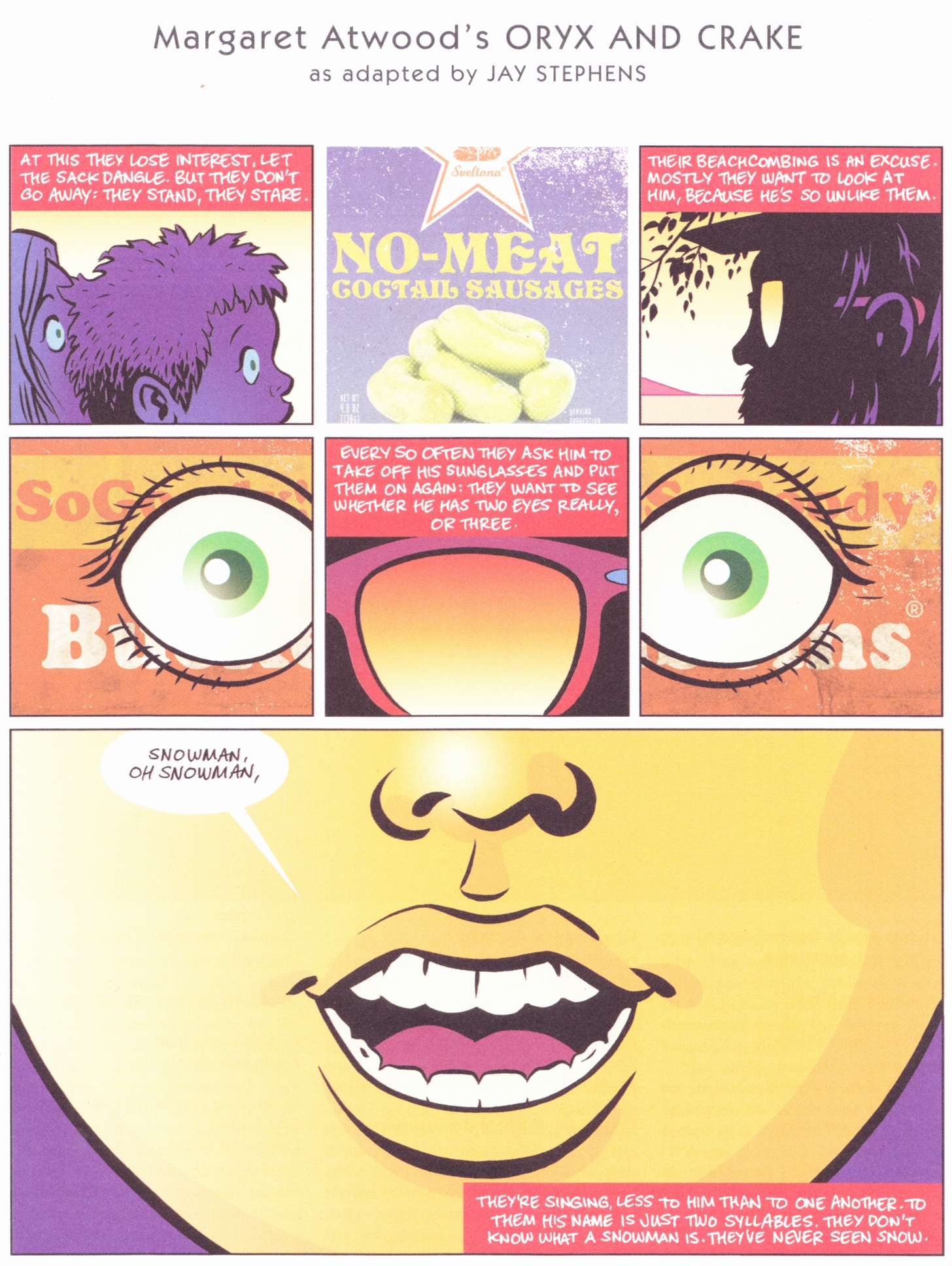
C:\Users\Robert\Documents\CARTOONING ILLUSTRATION ANIMATION\IMAGE BY CARTOONIST\Stephens Jason\STEPHENS Jay, Cdn Notes & Queries, 102, Summer 2018, 33.jpgCanadian Notes & Queries,102, Summer 2018: 33.

.

STEIN Syd

STEIN Syd

C:\Users\Robert\Documents\CARTOONING ILLUSTRATION ANIMATION\IMAGE OF PERSON\S\STEIN Syd, Family photo .jpg                                    Family photo taken in the 1940’s.

Born : 2 November 1910 in Ottawa. Came to Toronto at 13 or 14 years old and lived there from then on.

He illustrated “Robin Hood & Company.” from February 5, 1940 until the end of the newspaper run August 10, 1940, after Charles Snelgrove left the strip for health reasons.

McCall convinced Sinnott News to create Anglo-American Publishing Ltd. to publish reprints of the “Robin Hood & Company.” as a graphic periodical. McCall then wanted to create a contemporary adventurer who would fight the Nazi. He first approached Syd to draw this new character but Stein had tired of cartooning and wanted to return to commercial art. He suggested that his friend Ed Furness another commercial artist might replace him on the new project which Furness did, and “Freelance” was born.

WORK :

CARTOONIST:

Newspaper strip cartoon:

Toronto Evening Telegram, February 5, 1940 – August 10, 1940: “Robin Hood & Company.” Writ., Ted McCall.

 SOURCE:

Interview:

Syd Stein at his home, 243 St. Marks Road, Toronto, 8, December 1982 by Robert MacMillan

 Photo:

Given to Robert MacMillan by Syd Stein.

GALLERY:

These images come from a scrap book assembled by Robert MacMillan of photo copies of Syd Stein’s scrap book of his strips.

C:\Users\Robert\Documents\CARTOONING ILLUSTRATION ANIMATION\IMAGE CARTOON\IMAGE CARTOON R\ROBIN HOOD & Co.. Telegram, A390.jpg Robin Hood and Company.” Writ., Ted, McCall. Illus Syd Stein: A390.

C:\Users\Robert\Documents\CARTOONING ILLUSTRATION ANIMATION\IMAGE CARTOON\IMAGE CARTOON R\ROBIN HOOD & Co.. Telegram, A391.jpg Robin Hood and Company.” Writ., Ted, McCall. Illus Syd Stein: A391.
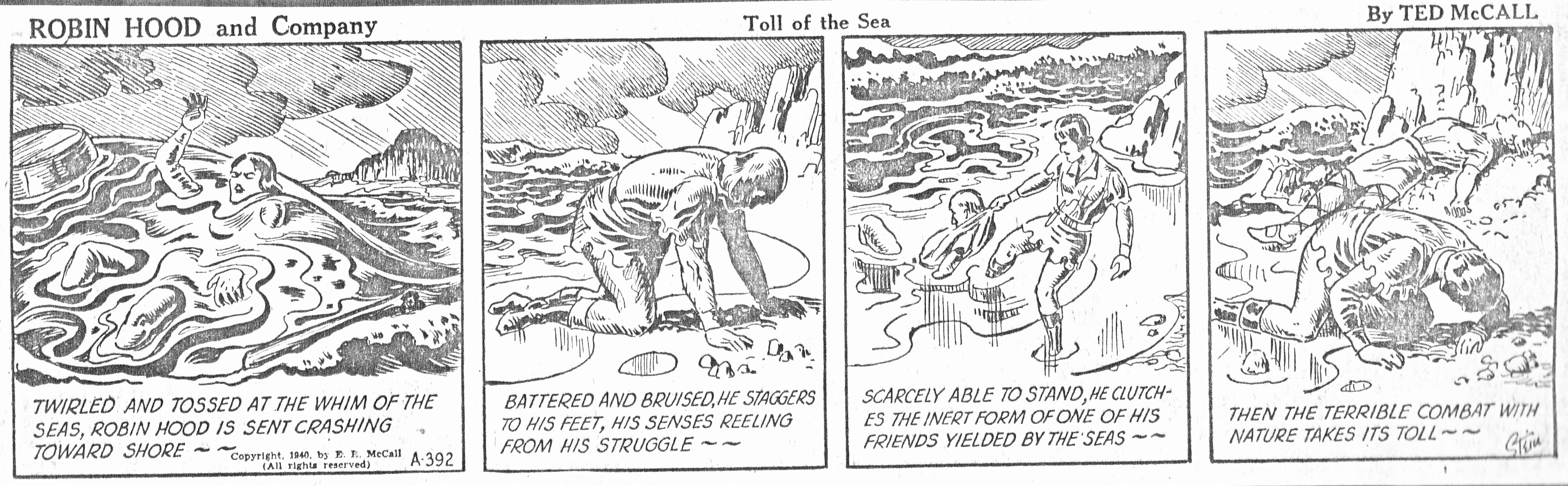
C:\Users\Robert\Documents\CARTOONING ILLUSTRATION ANIMATION\IMAGE CARTOON\IMAGE CARTOON R\ROBIN HOOD & Co.. Telegram, A392.jpg Robin Hood and Company.” Writ., Ted, McCall. Illus Syd Stein: A392

C:\Users\Robert\Documents\CARTOONING ILLUSTRATION ANIMATION\IMAGE CARTOON\IMAGE CARTOON R\ROBIN HOOD & Co.. Telegram, A420.jpg Robin Hood and Company.” Writ., Ted, McCall. Illus Syd Stein: A420.

C:\Users\Robert\Documents\CARTOONING ILLUSTRATION ANIMATION\IMAGE CARTOON\IMAGE CARTOON R\ROBIN HOOD & Co.. Telegram, A457.jpg Robin Hood and Company.” Writ., Ted, McCall. Illus Syd Stein: A457.

C:\Users\Robert\Documents\CARTOONING ILLUSTRATION ANIMATION\IMAGE CARTOON\IMAGE CARTOON R\ROBIN HOOD & Co.. Telegram, A485.jpg Robin Hood and Company.” Writ., Ted, McCall. Illus Syd Stein: A485.


STEELE Tedd

STEELE Theodore (Tedd) Arthur

Born 1922 in Toronto.

He worked for Bell Features cartooning “Dixon of the Mounted”, “Thurderfist” and other odd features.

After working as a cartoonist for Bell Features, Tedd wrote several novels for Toronto News Stand Library. Brian Busby wrote a less than complimentary review of Artists Models and Murder in his nostalgic look at past Canadian efforts in The Dusty Bookcase (2017). Busby asks, “Did Tedd Steele Do the cover illustration?” Look at the image below and judge for yourself. Another question is: was he the author of the other cover illustrations for this series. It is worth knowing that the News Stand Series published 2 prominent Canadian authors: Waste No Tears by Hugh Garner and Winter Time by Raymond Souster.

News Stand Library was owned by Export Publishing Enterprises (1948-1951). Interestingly enough a Frank Steele was Vice President and Harry M. Steele was Managing Editor. The company published two lines of pocket books. It also published pulps and comic books. The latter were predominantly U.S. reprints but Export did publish two apparently original titles Science Comics 2 issues 1951 and Captain Hobby Comics 1 issue. Whether or not Tedd was involved with these is not known.

WORK:

CARTOONIST:

PERIODICAL GRAPHIC ANTHOLOGY:

Content:

Joke:

Commando Comics, 5, no date: “Guess Who?” Bell Features. Black & white.

Serial:

Active Comics …. No date: “Dixon of the Mounted”: … Bell Features. Black & white.
3: 35-48. 4:1-10. 5:1-10. 6:1-10. 7:1-10. 8:1-9.

Active Comics, 19, no date: “The Panthers: Artists on Ice.” 17-21.

Active Comics …. no date: “Thunderfist and the Men from Mars”…. Bell Features. Black & white.
23: 10-16. 24: 50-56. 25: 44-50. 26:42-47.
Triumph Comics …. no date: “Speed Savage”. Bell Features. Black & white.
12, 25,

Story:

Joke Comics, …, no date: “…” Bell Features. Black & white.
8: “Manny Moron”.

8: “Private Stuff.”.

23: “Private Stuff.”.

WOW Comics, 26, no date: “Wood & Wolf”.

WRITER:

BOOK TEXT:

Content novel crime:

Artists Models and Murder, Toronto News Stand Library, 1948.

SOURCE:

Article book:

The Canadian Alternative Cartoonists, Comics, and Graphic Novels. Ed., Dominick Grace & Eric Hoffman. University Press of Mississippi. 2018: “Alternatives Within An Alternative Form.” Writ., Ivan Kocmarek: 3-15.

The Dusty Bookcase. Writ., Brian Busby. Biblioasis, 2017: “A Comic Book Artist’s Absurd Murder Mystery.” 120-121.

GALLERY:

C:\Users\Robert\Documents\CARTOONING ILLUSTRATION ANIMATION\IMAGE BY CARTOONIST\S\STEELE Tedd, Artists Models & Murder, 1948, fc.jpg                    Illus., Tedd Steele (?). Artists Models and Murder, 1948. Front cover.

STEEL CHAMELEON

STEEL CHAMELEON

Created by Richard Comely, this character whose regular name is Edward D. Holman, a Vietnam War veteran, test pilot and freelance undercover agent is a master of disguise. His face bears a metal plate on half his forehead and a vertical scar running down from his right eye.

After a highly unlikely opening, the story settles down to a rescue mission. General Noda who Holman encountered first in Vietnam, has kidnapped Dr. Bradford in order to steel cruise missiles from the U.S. The doctor’s daughter seeks Holman’s help to rescue her father which he does. Then using clever disguises he escapes himself.

Mark Shainblum and Gabrielle Morrissette utilized “The Steel Chameleon” as a supporting character in their “Northguard” series.

MEDIUM:

PERIODICAL GRAPHIC ANTHOLOGY:

Cover front:

Star Rider and The Peace Machine, 1-2, October 1982:  Illus., Richard Comely.

Content story:

Star Rider and The Peace Machine, …: “Steel Chamleleon, ….” Writ., Richard Comely. Illus., Royston Evans: …. Black & white.
1-1, July 1982: pt. 1: 44-56. 1-2, October 1982: pt. 2: 39-55.

 Steel Chameleon is introduced into the Northguard serial.

New Triumph  Featuring Northguard…:  “Northguard Target Red Target Blue …” Writ., Mark Shainblum. Pen., Gabriel Morrissette …. Let., Ian Carr: …. Matrix Graphic Series. Black & white.
 1-3 1985: “Making Hate.” Ink.,Jacques  Boivin: 1-24.

1-4 1985:  “Never Surrender.” In., G. Morrissette & J. Harpes: 1-24.

1-5 Summer 1986: “Northguard.” In., G. Morrissette: 1-24.


Northguard….: “Northguard: The ManDes Conclusion: …” Writ., M. Shainblum. Illus., G. Morrissette. Matrix Production/Caliber Press. B & w.
 1, 1989: “Blood and Fire.” Let., Mario Beaulac.

2, 1989: “Fleur de Lys.” Let., Ron Kasman.

3, 1990:  “Scorched Earth.” Let., R.Kasman..

GALLERY:

C:\Users\Robert\Documents\CARTOONING ILLUSTRATION ANIMATION\IMAGE CARTOON\IMAGE CARTOON S\STEEL CHAMELEON, Star Rider & The Peace Machine, 1, 44.jpg Illus., Royston Evans. Star Rider and the Peace Machine, 1-1, July 1982: 44.

C:\Users\Robert\Documents\CARTOONING ILLUSTRATION ANIMATION\IMAGE CARTOON\IMAGE CARTOON S\STEEL CHAMELEON, Star Rider & The Peace Machine, 2, 49.jpg Illus., Royston Evans. Star Rider and the Peace Machine, 1-2, October 1982: 49

C:\Users\Robert\Documents\CARTOONING ILLUSTRATION ANIMATION\IMAGE CARTOON\IMAGE CARTOON S\STEEL CHAMELEON, Northguard, 1-3, 16.jpg Pen., Gabriel Morrissette. In., Jacques Boivin. New Triumph Featuring Northguard, 1-3, 1985: 16


STEACY Ken

STEACY Ken

 Ken Steacy was born January 8, 1955 in Zweibruken, Germany where his father a pilot with the Canadian Armed Forces (then the Royal Canadian Air Force)  was stationed. He spent his youth moving from place to place as his father was transferred from station to station.

He finally wound up studying Photo/Electric Arts at the Ontario College of Art in Toronto. “He drove his profs crazy by turning in comic strips instead of film or video.” This must not have had too harmful an effect on his academic standing as he graduated in 1978 with four scholarships, including the Lieutenant Governor’s Silver Medal.

He began drawing comics professionally in 1974 with “Electric Warrior” published in Orb magazine.

“The Scared and the Profane” which Dean Motter wrote and he illustrated first appeared in Star Reach issue 9, June 1977 and finished in issue 13, August 1978. In Star Reach issue 14, August 1978 there was a short story of another mission. The book version appeared in 1987.

He also appeared in the 1980 Comics Annual and in Andromeda magazine in a collaboration with Harlan Ellison. This partnership blossomed into a graphic novel Night and the Enemy published by Comico also in 1987.

In 1990 to 1991 he both wrote and illustrated a four part series “Tempus Fugitive” published by DC Comics. In 1997 Dark Horse published it as a trade paperback. In it Steacy explored the aviation adventure series which had its heyday in “Buzz Sawyer” and “Terry and the Pirates”.

Among these major works he illustrated most of the major characters published by DC and Marvel and worked with Lucasfilm producing stories and computer generated illustrations for Star Wars children’s books.

He also worked two years at Sanctuary Woods Multimedia creating, producing, directing and illustrating an interactive CD-ROM for children called “The Awesome Adventures of Victor, Vector and Yondo” then produced a three issue cartoon series based on the same characters.

He has produced a series of paintings depicting the peacetime activities of Canadian Armed Forces navigators. It is part of the permanent collection of the National War Museum in Ottawa.

He has written designed and art directed a book Brightwork which celebrates American classic car ornamentation.

He has produced all of the display artwork for the Space Place gallery at Telus World of Science in Edmonton.

He has designed the sets and promotional material for a production of West Side Story.

Since about 1998 Ken and Doug Coupland have collaborated on various projects. Their latest was an art exhibit at PS Gallery in Victoria B.C. August to September 2008. In the series of  futuristic pictures, is a year 2504 Toronto dominated by a decayed CN Tower. Ken explains that the exhibit: “is about the dynamic process we employ when working together. Doug conveys the subject in question, then together we assemble and work with both random abandon and Lego-like structure, using pencil, pen and ink, and pixels. Once completed, it’s invariably something that retains evidence of the initial idea, but is still parsecs from the point of departure.”

In 2017, as part of the Globe & Mail’s “The Story Of Canada” fictional series commemorating our sesquicentennial, Margaret Atwood wrote “Oursonette”. Art Director Bryan Gee was looking for an illustrator for the story when art historian Jaleen Grove, who was originally from Victoria and knew Ken Steacy, suggested he would be a good fit. Ken not only illustrated the piece – he and Margaret expanded and reworked it into the graphic novel “Warbears”.

WORK:

CARTOONIST:

BOOK GRAPHIC ANTHOLOGY:

Content story:

Potlatch presents The 1980 Comics Annual. Ed., Ian Carr. Potlatch Publications, 1979: “Street Noise.” 26-30.

PERIODICAL GRAPHIC ANTHOLOGY:

Content story:

Alien Worlds, 1-2, May 1983: “Vicious Circle”: 15-22.

Amazing High Adventure, 1-5, Dec. 1986” “My Brother’s Keeper: 38-49.

Orb Magazine 1-3, Dec. 1974: “Super Student”: 27-28.

Vortex, 1-3, May 1983: “Fantastic Fear”: 15-18.

Content story & Cover front:

Vortex, 1-4, July 1983: “Street Noise” 22-26. A black and white version of the colour story appearing in Potlatch presents The 1980 Comics Annual 1979.

ILLUSTRATOR:

BOOK GRAPHIC:

Content novel & Cover book front:

Night and the Enemy. Writ., Harlan Ellison. Comico The Comic Co., November 1987. (Limited Edition, Hardcover.)

Content novel & Cover dust jacket:

The Sacred & The Profane, Writ., Dean Motter. Eclipse Books, 1987. (Limited Edition, Hardcover.)

BOOK TEXT:

Cover book wraparound:

Canuck Comics. Ed., John Bell. Matrix Graphic Series, 1986.

Cover dust jacket front:

Benny Cooperman Mystery: Murder On Location. Writ., Howard Engel. Clarke, Irwin & Co., 1950.

PERIODICAL GRAPHIC:

Content serial colour & Cover front colour:

The Original Astro Boy …: Writ., Michael Dimpsey.
…, 1-2, Oct. 1987 …, 1-3, Nov. 1987:

Cover front colour:

Airboy, …. Eclipse Comics.
17, Mar. 20 1987. 33, Nov. 1987.

Cybercom, 1-1, Winter 1987.Matrix Graphic Series.

Northguard….. Matrix Production/Caliber Press.
1, 1989. 2, 1989. 3, 1990.

Vortex, 1-1, November 1982. Vortex Comics Inc.

PERIODICAL GRAPHIC ANTHOLOGY:

Content Contents page black & white:

Andromeda, 2-6, Nov.1979.

Content novel colour:

Batman: Anniversary Issue, 400, Oct. 1986: “Chap., 9: Branches & Bones.” Wtit., Doug Moench. Let., Jo9hn Costanza. Co., Adrienne Roy. 43-45.

Star Reach, …: “The Sacred and the Profane”. Writ., Dean Motter: …. Colour cover. Black & white content.

…, 9, June 1977: …: 1-26. Plus cover wraparound.

…, 10, September 1977: …: 9-23.

…, 11, Dec. 1977: …: 1-19. Plus cover wraparound.

…, 12, March 1978: …: 23-38.

…, 13, August 1978: …: 1-16.

…, 14, August 1978 (?): …: 17-24. Colour epilogue. Plus cover wraparound.

Content story:

Alien Worlds, …: “…”. Writ., Bruce Jones. …:…. Colour content.
…, 1-3, July 1983: “Pi In The Sky.” …. Let., Carrie McCarthy: 12-19.

…, 1-4, September 1983: “One Day In Ohio.” …. Let., C. McCarthy: 15-20.

…, 1-5, December 1983: “Game Wars.” …: 11-13.

…, 1-8, November 1984: Collector’s Item.” …: 17.21.

Andromeda, 2-2, June 1978: “The Hidden Diaries.” Writ., Jeffery Morgan. Black & white.

Orb Magazine 1-4, Nov./Dec. 1975: “Electric Warrior.” Writ., Kerri Ellison. Let., Michael Cherkas: 3-10. Black & white.

BOOK TEXT & GRAPHIC:

Cover book wrap around:

Marvel Comics Index,1-7A: Heroes From Tales To Astonish, Bk. 1: The Incredible Hulk. G & T Enterprises, June 1978.

Marvel Comics Index,1-8B: Heroes From Tales Of Suspense, Bk. 2: Iron Man. G & T Enterprises, December 1978.

POSTER:

Camosun Comics Art Festival, Saturday 15 April 2017. Camosun College, Victoria, British Columbia.

The Hart House Committee presents: JOHNNY CANUCK A Look At 10 Toronto & district cartoonists. Hart House Art Gallery July 3-20, 1979. (University of Toronto.)

CO-CARTOONIST:

PERIODICAL GRAPHIC:

Content story:

Vortex, 1-5, September 1983: “T-Wrecks”. Co-car., Joan Steacy: 1-11. Black & white.

CO-ILLUSTRATOR:

PERIODICAL GRAPHIC:

Content serial colour & Cover front colour all illustrated by Ken Steacy:

The Original Astro Boy,1-1, Sept., 1987. Writ., Michael Dempsey. Co-illus., Rodney Dunn. Col., Ken Steacy, Denra Marks, Paul Rivoche.

The Original Astro Boy …: Writ., Michael Dimpsey. Co-illus., Andrew Pratt.
…, 1-4, December 1987.

…, 1-5, January 1988.

…, 1-6, February 1988. …, 1-7, March 1988. …, 1-8, April 1988.

Cover back:

Pork Knight 1-1, no date. Co-illus., Rob Walton.

WRITER & CO-ILLUSTRATOR:

PERIODICAL GRAPHIC:

Content serial colour & Cover front colour illustrated by Ken Steacy:

The Original Astro Boy …: Co-illus., Andrew Pratt.
…, 1-9, May 1988.

…, 1-10 June 1988.

…, 1-11, August 1988.

…, 1-12, Sept. 1988.

…, 1-13, Oct. 1988.

…, 1-14, Nov. 1988.

…, 1-15, Jan. 1989.

…, 1-16, Feb. 1989.

WRITER:

PERIODICAL GRAPHIC:

Content serial:

The Original Astro Boy,17, March 1989. Illus., Brian Thomas. Let., Marc Hansen.

CO-WRITER & ILLUSTRATOR:

BOOK GRAPHIC COLLECTION:

Content novel & Cover book front & back ::

Warbears. Co-writ., Margaret Atwood. Dark Horse Books/Dark Horse Comics Inc., February 2019. (Collected from the periodical below).

PERIODICAL GRAPHIC:

Content story:

Warbears,…. Co-writ., Margaret Atwood. Dark Horse Comics.
1, September 2018. 2, October 2018. December 2018.

GALLERY:

See NORTHGUARD & SACRED AND PROFANE

A cover of a magazine AI-generated content may be incorrect.Vortex, 1-1, November 1982.

C:\Users\Robert\Documents\CARTOONING ILLUSTRATION ANIMATION\IMAGE BY CARTOONIST\S\STEACY Ken, Alien Worlds, 1-2, may 1983, 22.jpg“Vicious Circle.” Alien Worlds, 1-2, May 1983: 15-22.


C:\Users\Robert\Documents\CARTOONING ILLUSTRATION ANIMATION\IMAGE CARTOON\IMAGE CARTOON B\IMG_1416.JPG   Ken Steacy painted this in 2014, as a tribute to the 1940’s cartoon hero “Brok Windsor”

C:\Users\Robert\Documents\CARTOONING ILLUSTRATION ANIMATION\IMAGE BY CARTOONIST\S\STEACY Ken, Ironman, acrylic on board, 1985, 38cmhX49cmw.jpgIronman, acrylic on board, 1985, 38cmhX49cmw

C:\Users\Robert\Documents\CARTOONING ILLUSTRATION ANIMATION\IMAGE BY CARTOONIST\S\STEACY Ken, Warbears, 1, Sept. 2018, fc.jpgWarbears, September 2018: Front cover.

STASUK Jordan

STASUK Jordan 

Part of the Cloudscape Comics Society, he created a character called “Sonar” which was intended to be a serial but appeared in incomplete form only in Epic Canadiana volume 2, which itself was the end of the Epic Canadiana series.

CARTOONIST:

PERIODICAL TEXT & GRAPHIC ANTHOLOGY:                                                            All published by Cloudscape Comics Society.

 Content story:

 Epic Canadiana, v.2. Ed., Bevan Thomas. Oct. 2015: “The Unfathomable Sonar”: 121-130.

Waterlogged Tales From The Seventh Sea. June 2013: “The Balcony of Endless Days”: 51- 60.

SOURCE:

Article book:

Epic Canadiana, v.2. Cloudscape Comics Society, Oct. 2015: “The Creators”: 237.

GALLERY:

C:\Users\Robert\Documents\CARTOONING ILLUSTRATION ANIMATION\IMAGE CARTOON\IMAGE CARTOON S\SONAR, Epic Canadiana, 1, 2013, 147.jpg                          “Sonar.” Epic Canadiana, v.1. 2013: 147.