ROBIN HOOD AND COMPANY
“Robin Hood and Company was one of the few epics to last for any length of time in the comic strips. This was primarily due to McCall’s deft writing, inventive plots and earthy humour.” Peter Harris. The World Encyclopedia of Comics, 1976: 565.
“Robin Hood and Company” began as a newspaper adventure cartoon strip in the Toronto Evening Telegram (September 23,1935 to August 10, 1940 ). It changed to the black and white comic book format (1941 into 1945) and transferred to colour (1945 into 1946). In 1946 it disappeared with the collapse of Anglo-American Publishing Ltd. Ted McCall who adapted the “Robin Hood” legend wrote the entire series. Charles Snelgrove illustrated the newspaper series from 1935 into 1940. Sid Stein illustrated it from February 5, 1940 until the end of the newspaper run August 10, 1940. During its comic book period it was illustrated by Ed Furness probably with considerable input from June Banfield and Priscilla Hutchings considering the organization of the Anglo-American Studios.
After failing to get international syndication for “Men of the Mounted”, McCall chose a character that was sure to have international appeal. “Robin Hood and Company” appeared September 23 1935 in the Toronto Evening Telegram and was syndicated by McCall to other newspapers in Canada and Europe but apparently not in the U.S.A. The project was successful until World War 2 broke out. By August 1940 as wartime paper shortages made it necessary for newspapers to eliminate non-essentials like comics, the strip was cancelled. However, McCall did not wrap it up but left it so that it could be resumed in the future. He then made an arrangement with Sinnott News agency in which “Robin Hood and Company” would continue as a comic book. The newspaper strips were collected and republished initially in a tabloid format: one issue of which appeared in March 1941. Subsequent issues appeared in a comic book format. The reprinted newspaper strips were still being used in Robin Hood Comics vol.1, no. 10, August/September 1942 and probably continued to vol. 1, no 12. since Stein’s work had not yet appeared. The story line in the strips was continuous that is “Robin Hood’s” adventures flowed from one adventure to the next. Once the reprints were finished the continuity between adventures seems to have disappeared . After that each adventure was like a short story filling the entire comic book. “Robin Hood” was the only character besides “Freelance” to have an entire comic book to himself. By volume 2 number 10, September/October 1944, however the “Robin Hood” stories were being shorten and accompanied by back up stories: first “Mr. Scarlet and Pinky” then by an earlier McCall creation, “Men of the Mounted” initially as “The Scarlet Sentinel” and then as “Kip Keene”. In 1945, “Robin Hood” was combined with “Freelance” to appear in the colour comic book Freelance Robin Hood and Company vol. 3, no. 27, July- August 1945. Later he received his own coloured title Robin Hood vol. 3, no. 31, July – August 1946, by this time the “Robin Hood” stories had become episodic and “Men of the Mounted” occupied as much space. Anglo-American collapsed in 1946 and “Robin Hood” disappeared after a decade run.
This cartoon strip was considerably more literary than pictorial. It is the text that drives the narrative and drives it at a break neck speed which given the nature of a daily cartoon strip is of tremendous benefit to the story. The pictorial part tended to illustrate the text as opposed to making its own independent contribution to the cartoon. It was adequate but not outstanding which in fairness it must be said was also due to the nature of a newspaper strip. The pictorial aspect of “Robin Hood” changed little in the comic books leaving the text to create the interest.
As Peter Harris said the Robin of the strip was true to the character of legend: brave, cocky and fleet footed, he was always on the side of the weak and oppressed, laughing when cornered, generous when triumphant but Robin’s adventures, did not follow the exploits ascribed to him in legend but were original stories. This is quite evident in the sequence drawn by Stein. Here “Robin” is captured by raiding Norsemen who in turn are attacked on the high seas by Berber Pirates. “Robin” is rescued and hidden on the Berber ship by “Karo” one of the Berber prisoners. “Robin” in turn rescues “Karo” and the other prisoners from being sold into slavery at the Barbary stronghold. They escape by ship and sail to Crete which was “Karo’s” destination before he was captured. In Crete they find that “Hosan” has taken control of Crete from “Karo’s” grandfather the “Despot”. In the ensuring struggle we again meet the Berber Captain who it turns out was in league with “Hosan”. In the ensuing conflict both villains die by accident. In McCall’s hands the heroes never kill anyone. As the strip stopped due to the War, “Robin” was journeying to the Holy Land to help “King Richard”. In the comic books “Robin’s” stories return to an English setting and they retained all of the characteristics of the cartoon strip except that the visual aspects were perhaps even less accomplished.
MEDIUM:
PERIODICAL GRAPHIC:
Content strip cartoon then story:
| Robin Hood….: “Robin Hood & Company.” Writ., Ted McCall. Illustrators, Charles Snelgrove followed by Sid Stein: …. Reprints from The Evening Telegram [Toronto] Black and white. |
| 1-6, December/January 1942:2-63. |
1-10, August/Sept. 1942:2-63 |
| Robin Hood….: “Robin Hood & Company.” Writ., Ted McCall. Illustrator, Unidentified. Original material. Black and white. |
| 2-2, May/June 1943: 2-26
2-3, July/August 1943: 3-28. |
2-10, Sept./Oct. 1944: 2-32.
2-11, Nov./Dec. 1944:2-47 |
2-12, Jan./Feb. 1945: 2-28. |
“Robin Hood”, “Freelance” & “Men of The Mounted” are combined into one title, Freelance/Robin Hood, 3-1, Mar./Apr. 1945. Black & white. This issue is followed by Freelance, 3-2, May/June. 1945 which is composed entirely of “Freelance” stories. The three features are then recombined under the Freelance/Robin Hood, title again.
| Freelance/Robin Hood….: “Robin Hood & Company.” Writ., Ted McCall. Illus., Ed Furness & Anglo-American team: …. Colour. |
| 3-27, July/Aug. 1945. |
3-28, Sept./Oct. 1945. |
3-29, Nov./Dec. 1945. |
3-30, Jan./Feb. 1946.. |
“Robin Hood” & “Men of The Mounted” are split from “Freelance” again and are combined under the new Robin Hood title.
| Robin Hood Comics….: “Robin Hood ….” Writ., Ted McCall. Illus., Unidentified: …. Colour. |
| 3-31, June/July 1946: “… and the Terror of Thessle”: 1-14.
3-31, June/July 1946: “… and Smuggler’s Cove”: 15-22.
3-32, Aug./Sept. 1946: “… and the Outlaw Armada”: 20-31.
3-33, Oct./Nov. 1946: “… The Great Manhunt”: 2-13.
3-33, Oct./Nov. 1946: “… and the Phantom Thieves Of Graelion Hill”: 18-31.
3-34, Dec.1946/Jan. 1947: “… in Gallows Holiday”: 17-30. |
NEWSPAPER:
Strip cartoon:
Evening Telegram [Toronto] Sept. 23, 1935 – Dec. 16, 1939: “Robin Hood & Company.” Writ., Ted, McCall. Illus., Charles Snelgrove.
Evening Telegram, February 5, 1940 – August 10, 1940. “Robin Hood & Company.” Writ., Ted McCall. Illus., Syd Stein.
SOURCE:
Article book:
“The World Encyclopedia of Comics, Ed., Maurice Horn. editor, Chelsea House Publishers, 1976: “Robin Hood and Company (Canada)”. Writ., Peter Harris: 565.
Article booklet:
Guardians of the North: The National Superhero in Canadian Comic-Book Art. Writ., John Bell. National Archives of Canada, 1992. A catalogue for the exhibit of the same name.
Interview:
With Ed Furness.
GALLERY:
 “Robin Hood and Company.” Writ., Ted, McCall. Illus. Charles Snelgrove: A 238.
 “Robin Hood and Company.” Writ., Ted, McCall. Illus. Charles Snelgrove: A 239.
 “Robin Hood and Company.” Writ., Ted, McCall. Illus. Charles Snelgrove: A240.

Robin Hood and Company.” Writ., Ted, McCall. Illus Syd Stein: A327. Stein’s first strip.
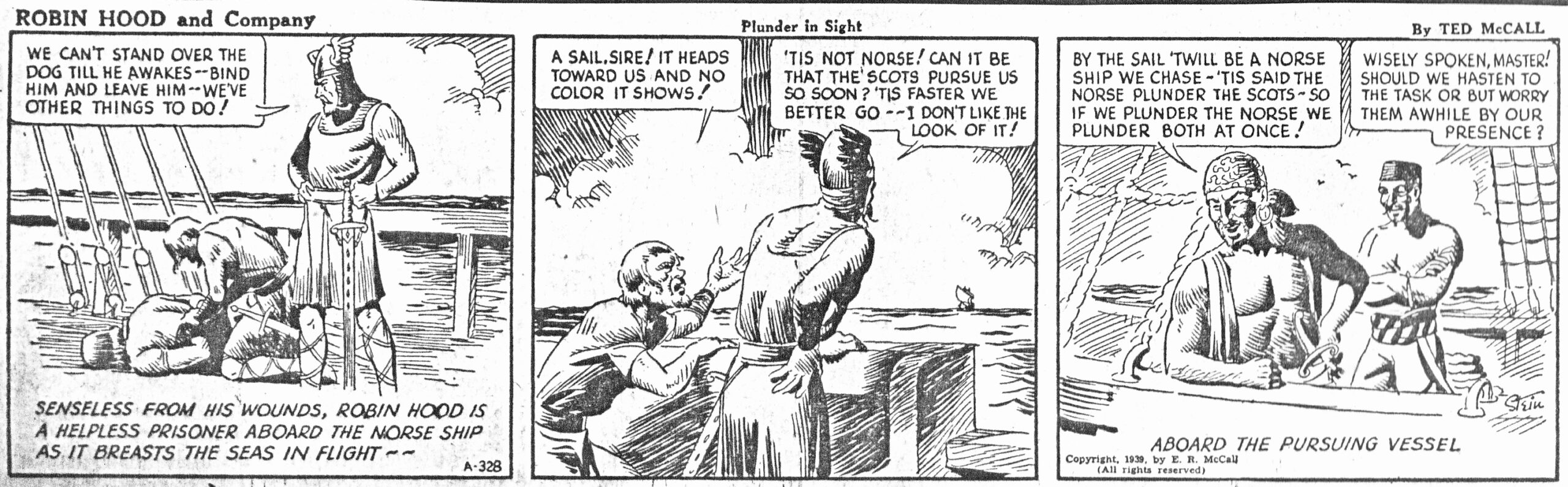 Robin Hood and Company.” Writ., Ted, McCall. Illus Syd Stein: A328.
 Robin Hood and Company.” Writ., Ted, McCall. Illus Syd Stein: A488. Last strip in newspaper.
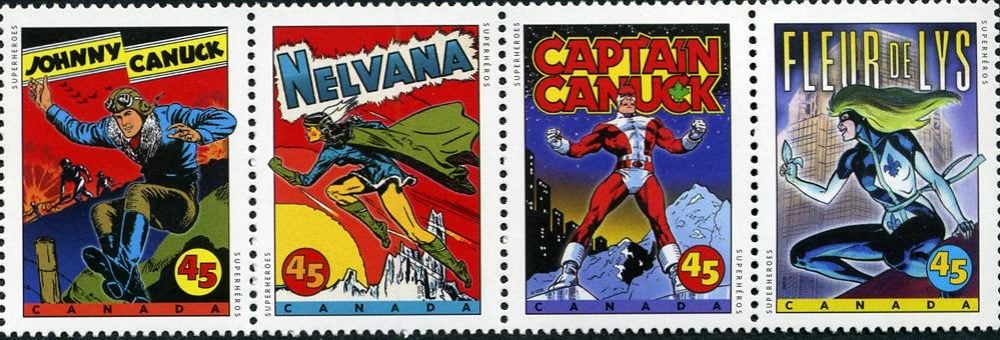
 Orb, 1-2, July 1974. Front cover.
 Am Bràighe, Spring 2003: 9
 Illus., for “Deoch Slàinte Luchd nam Brachannan” (A Toast To Moonshiners) Writ., unidentified. Gaelic Cape Breton, 1995: 3. A supplement to Am Bràighe.
 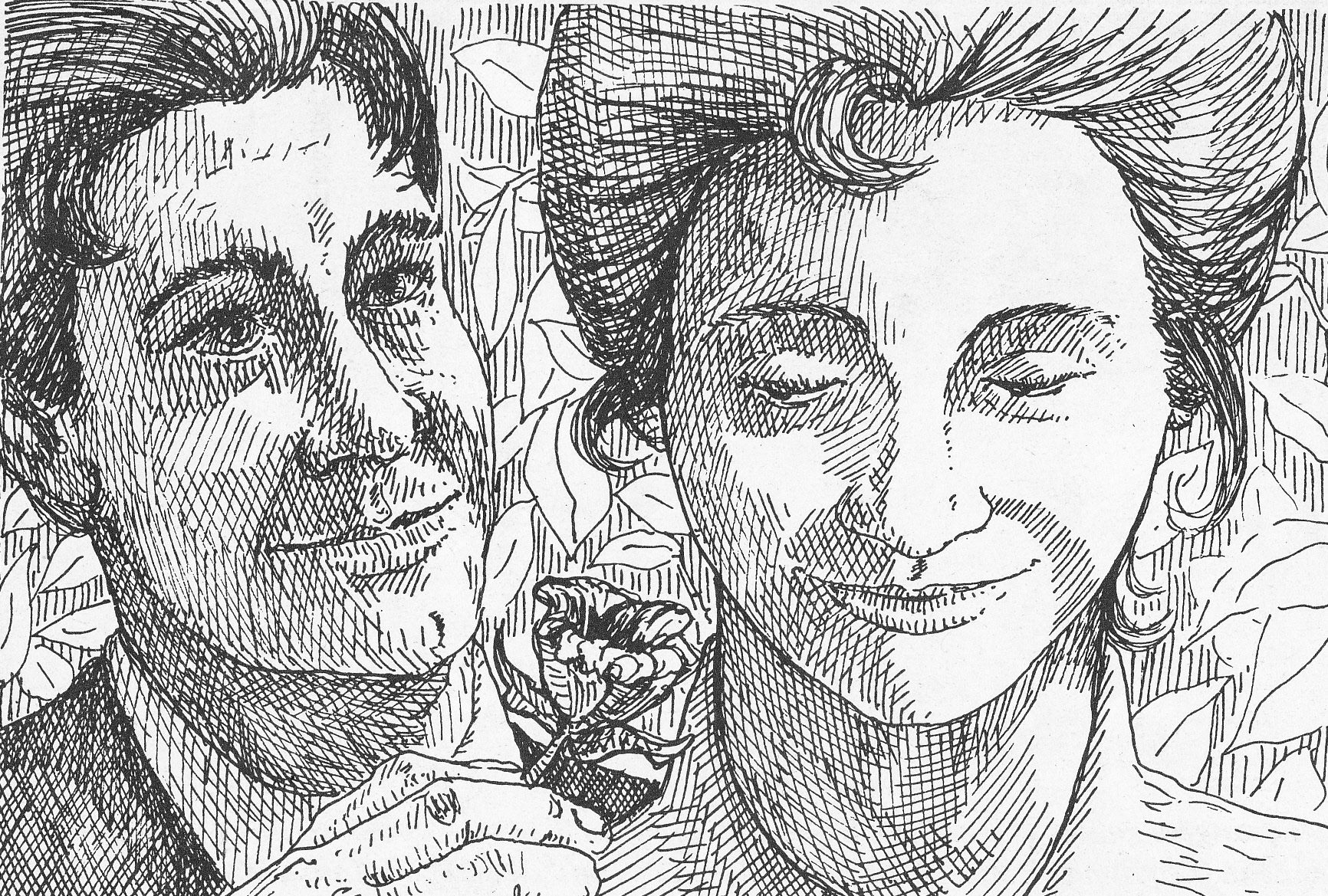 Illus., for “Nighean Donn a’ Chùil Réidh.” (Brown Haired Girl Of The Smooth Tresses). Poet, Calum Eòghainn (Malcolm Gillis) Gaelic Cape Breton, 1995: 3. A supplement to Am Bràighe.
  Painting of Sarah & John White. (Photo for this illustration, Rodney Chaisson). Am Bràighe, Winter 2003: 11.
 Illustration for “The Grey Lads: A Wonder Tale From Iona Cape Breton.” Am Bràighe, Spring 1998: Front page.
 7 Generations, Bk., 2: Scars. 2010: Back cover.
 Winner of the 1995 Duncan Macpherson Award, Portfoolio 12: 5.